


Want to know how to grow herbs indoors? Fresh herbs transform everyday cooking, and you do not need a garden to grow them. With a sunny windowsill and a few pots, you can harvest basil, mint, rosemary, and more all year long. This guide covers the 10 best kitchen herbs for indoor growing, plus everything you need to know about light, soil, watering, and harvesting.
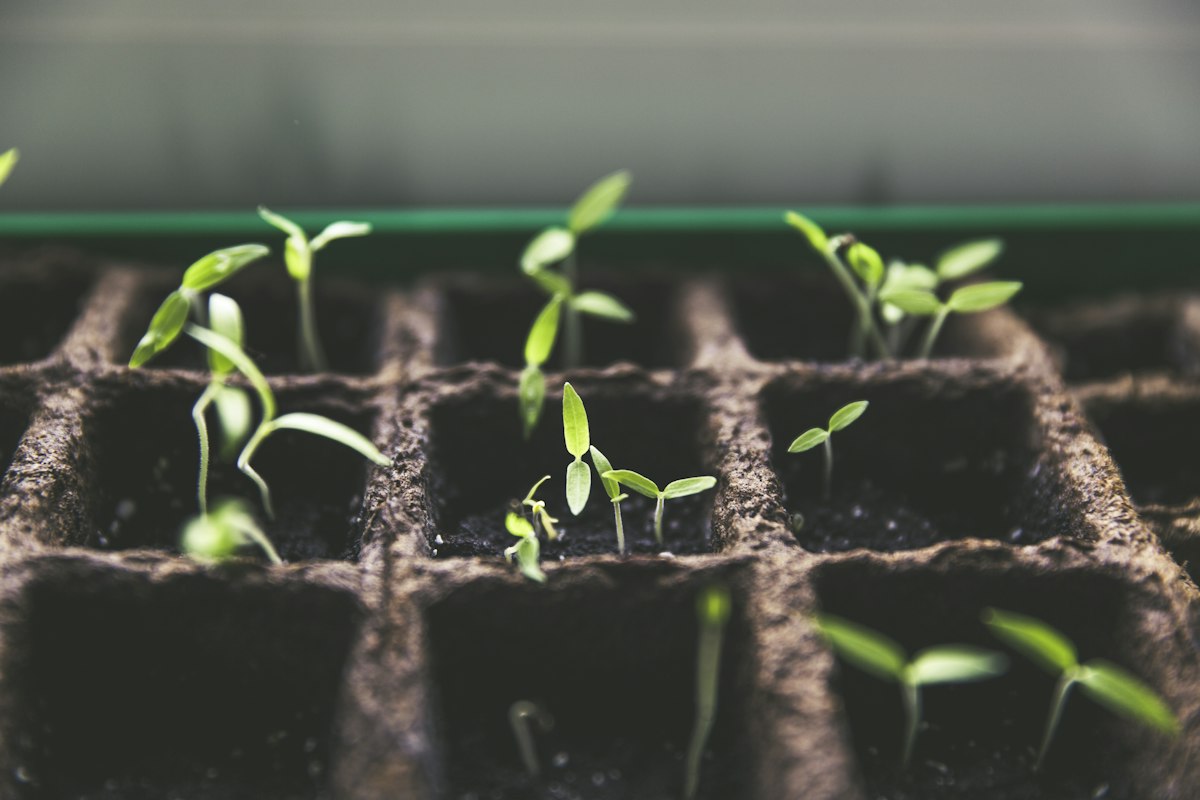
Why Grow Herbs Indoors?
Store-bought herbs are expensive, often wilted, and heavily packaged. Growing your own herbs indoors gives you an unlimited supply of the freshest possible flavors at a fraction of the cost. A single basil plant can save you over 50 dollars per year compared to buying those small plastic packages at the grocery store. Plus, indoor herbs purify your air, brighten your kitchen, and give you a rewarding hobby.
Essential Requirements for Indoor Herbs
Light: Most herbs need 6-8 hours of direct sunlight daily. A south-facing window is ideal. If you lack natural light, invest in a simple LED grow light and place it 6-12 inches above your plants for 12-16 hours per day. Grow lights have become affordable and energy-efficient, making it easy to grow herbs even in dark apartments.
Containers: Use pots with drainage holes to prevent root rot. Terracotta pots are excellent because they breathe and wick away excess moisture. Each herb needs at least a 6-inch pot, though larger herbs like rosemary prefer 8-10 inch containers. You can also use a long window box to grow several herbs together.
Soil: Use a well-draining indoor potting mix. Avoid garden soil, which compacts in containers and may contain pests. Adding extra perlite improves drainage, which most herbs prefer.
Watering: Herbs prefer to dry out slightly between waterings. Stick your finger an inch into the soil before watering. If it feels dry, water thoroughly until it drains from the bottom. Overwatering is the number one killer of indoor herbs.
The 10 Best Herbs to Grow Indoors
1. Basil
Basil is the most popular herb to grow indoors and for good reason. It grows fast, produces abundantly, and pairs perfectly with tomatoes, pasta, pizza, and Thai dishes. Give basil your sunniest spot with at least 6 hours of direct light. Pinch off flower buds as they appear to encourage bushier growth and prevent the leaves from turning bitter. Harvest from the top down, cutting just above a leaf node to promote new branching.

2. Mint
Mint is one of the easiest herbs to grow indoors. It tolerates partial shade better than most herbs and spreads aggressively, so keeping it in its own pot is actually ideal. Spearmint and peppermint are the most popular varieties. Use mint in teas, cocktails, salads, chutneys, and desserts. Keep the soil consistently moist and harvest frequently to prevent it from becoming leggy.
3. Rosemary
Rosemary is a Mediterranean herb that loves bright light and dry conditions. It is the perfect windowsill herb if you tend to forget watering. Place rosemary in your sunniest window and water only when the soil is dry. Good air circulation helps prevent powdery mildew. Rosemary is wonderful with roasted meats, potatoes, breads, and olive oil dips.
4. Thyme
Thyme is compact, drought-tolerant, and packed with flavor. It grows well in small pots and needs bright light. Water sparingly and let the soil dry between waterings. Common thyme and lemon thyme are both excellent for cooking. Use thyme in soups, stews, roasted vegetables, and marinades. It dries beautifully too, so you can preserve excess harvests.
5. Chives
Chives are incredibly low-maintenance and produce attractive purple flowers. They grow in clumps and can be snipped as needed with scissors. Chives tolerate a range of light conditions from full sun to partial shade. Use them as a garnish on baked potatoes, eggs, soups, and cream cheese. They regrow quickly after cutting, making them one of the most productive indoor herbs.
6. Parsley
Both flat-leaf Italian parsley and curly parsley grow well indoors. Parsley is slow to germinate from seed (2-3 weeks) so consider starting with a transplant. It needs moderate to bright light and consistent moisture. Parsley is rich in vitamins A, C, and K and adds fresh flavor to virtually any savory dish. Harvest outer stems first, leaving the center to continue growing.
7. Cilantro
Cilantro is essential for Mexican, Indian, and Thai cooking. The challenge with growing cilantro indoors is that it bolts quickly in warm temperatures. Keep it in a cooler spot (60-70 degrees Fahrenheit) and sow new seeds every 2-3 weeks for a continuous harvest. Use a deep pot since cilantro develops a long taproot. Once it flowers, let it go to seed to harvest coriander.
8. Oregano
Oregano is a hardy Mediterranean herb that thrives with minimal attention. It needs bright light and well-drained soil. Let the soil dry between waterings. Oregano actually has more intense flavor when slightly stressed, so do not pamper it. Fresh oregano is far superior to dried for pizza, pasta sauce, Greek salads, and Mexican dishes.
9. Sage
Sage is a beautiful herb with soft, velvety gray-green leaves. It needs bright light and good air circulation. Water when the top inch of soil is dry. Sage is classic with poultry, stuffing, and butter sauces. It also makes a wonderful tea. Harvest lightly in the first year while the plant establishes, then more generously once it matures.
10. Green Onions (Scallions)
Green onions are perhaps the easiest thing you can grow indoors. Simply place the root ends of store-bought green onions in a glass of water on your windowsill and they will regrow in days. For a longer-term solution, plant them in a pot of soil. Snip the green tops as needed and they will keep regrowing. Use in stir-fries, soups, salads, and as a garnish.
Pro Tips for Indoor Herb Success
Harvest regularly: The more you harvest, the bushier and more productive your herbs become. Never take more than one-third of the plant at once.
Rotate pots: Turn your pots a quarter turn every few days so all sides receive equal light. This prevents lopsided, leggy growth.
Feed monthly: Indoor herbs benefit from a diluted liquid organic fertilizer once a month during the growing season. Do not over-fertilize, as this can reduce flavor intensity.
Watch humidity: Indoor air can be dry, especially in winter. Mist herbs occasionally or place pots on a pebble tray filled with water to increase humidity around the plants.
Start with transplants: If you are a beginner learning how to grow herbs indoors, buy established plants from a nursery rather than starting from seed. You will get faster results and higher success rates.
Frequently Asked Questions
Which herbs grow best indoors without sunlight?
Mint, chives, and parsley tolerate lower light conditions best among common herbs. However, no herb truly thrives without any light. If your home is dark, a simple LED grow light for 20-30 dollars will make all the difference.
Can I grow herbs indoors in winter?
Absolutely. Indoor herbs grow year-round since they are protected from cold temperatures. Winter is actually a great time to start an indoor herb garden. Just supplement with a grow light since winter daylight hours are shorter.
How long do indoor herbs last?
Annual herbs like basil and cilantro last several months before needing replacement. Perennial herbs like rosemary, thyme, oregano, and mint can live for years indoors with proper care. Replant annuals every few months for a continuous supply.
Why are my indoor herbs dying?
The most common causes are overwatering, insufficient light, and poor drainage. Make sure pots have drainage holes, let soil dry between waterings, and provide at least 6 hours of light daily. Also check for pests like fungus gnats or spider mites on the undersides of leaves.
Now that you know how to grow herbs indoors, pick your favorite 3-4 herbs and get started today. Your cooking will never be the same once you have fresh herbs at your fingertips. For more indoor gardening tips, read our guide to the best indoor plants for beginners and container gardening for beginners.