

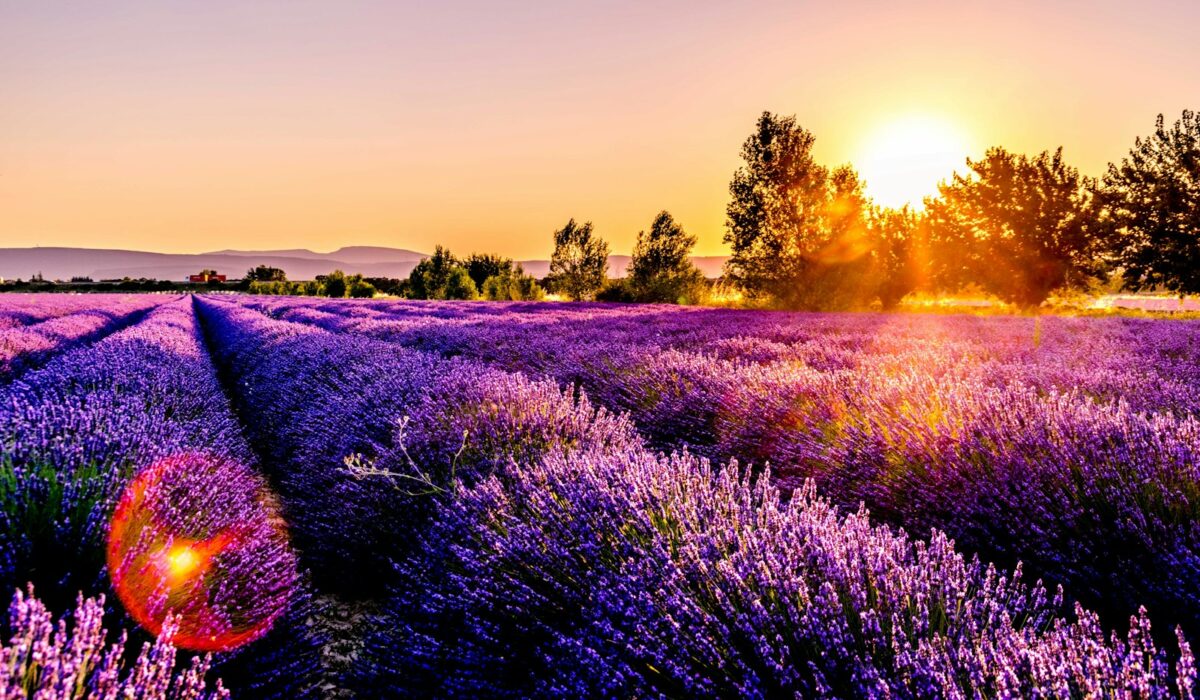
Lavender is one of the most beloved plants in the world, prized for its intoxicating fragrance, stunning purple blooms, and remarkable versatility. From sachets and essential oils to culinary uses and pollinator gardens, lavender earns its place in every garden. Here’s everything you need to know to grow lavender successfully, whether in the ground, in containers, or even indoors.
Choosing the Right Lavender Variety
Not all lavender is created equal. English lavender (Lavandula angustifolia) is the hardiest variety, surviving winters in USDA zones 5-9. Popular cultivars include Hidcote (deep purple, compact), Munstead (classic purple, reliable), and Royal Velvet (intensely fragrant). French lavender (Lavandula dentata) has distinctive serrated leaves and blooms nearly year-round in zones 8-11. Spanish lavender (Lavandula stoechas) features unique rabbit-ear petals and thrives in hot, dry climates.
For culinary use, stick with English lavender varieties — they have the sweetest flavor without bitterness. For crafts and dried arrangements, Grosso and Provence lavender produce the longest stems and most abundant flowers.
Ideal Growing Conditions
Lavender demands full sun — at least 6-8 hours of direct sunlight daily. The more sun, the more flowers and fragrance you’ll get. Lavender also requires excellent drainage; this Mediterranean native absolutely cannot tolerate wet feet. Heavy clay soil is lavender’s worst enemy. If your soil is clay-heavy, grow lavender in raised beds or containers.
The ideal soil for lavender is slightly alkaline (pH 6.5-7.5), lean, and rocky. Rich, fertile soil actually produces leggy plants with fewer flowers. Amend your planting area with coarse sand, gravel, or perlite to ensure fast drainage. Lavender grows beautifully in chalky, limestone-based soils that many other plants dislike.
Planting Lavender Step by Step
Plant lavender in spring after the last frost, giving plants the full growing season to establish roots before winter. Space plants 12-18 inches apart for compact varieties and 24-36 inches for larger types. Dig a hole slightly larger than the root ball, backfill with amended soil, and water thoroughly. Set plants at the same depth they were in their nursery pot — planting too deep encourages crown rot.
For container growing, use a pot at least 12 inches in diameter with excellent drainage holes. Fill with a mix of potting soil, perlite, and coarse sand in equal parts. Terracotta pots are ideal because they wick away excess moisture. Place containers where they’ll receive maximum sunlight.

Watering Lavender Correctly
Established lavender is remarkably drought-tolerant and needs minimal watering. Newly planted lavender should be watered once or twice a week for the first growing season while roots establish. After that, water only during extended dry spells — every 2-3 weeks is typically sufficient. In humid climates, you may not need to water at all once plants are established.
Always water at the base of the plant, keeping foliage dry. Overhead watering promotes fungal disease. If the lower leaves start turning yellow or stems look black at the base, you’re likely overwatering. Reduce frequency immediately and improve soil drainage.
Pruning for Healthy, Bushy Plants
Pruning is essential for keeping lavender compact and productive. Without regular pruning, lavender becomes woody, sparse, and leggy. Prune once after the first bloom flush, cutting back about one-third of the plant’s height. Never cut into old, woody growth — lavender doesn’t regenerate well from bare wood.
In early spring, do a light shaping to remove winter damage and encourage fresh growth. After the main bloom period in summer, give plants a more significant trim. This often encourages a second flush of flowers in late summer or early fall. Shape plants into a gentle mound for the most attractive appearance.
Harvesting and Using Lavender
Harvest lavender when about half the flowers on each spike have opened — this is when fragrance and essential oil content are highest. Cut stems long, gathering them into small bundles. Hang bundles upside down in a warm, dark, well-ventilated area for 2-3 weeks to dry completely.
Dried lavender has dozens of uses: sachets for drawers and closets, potpourri, homemade soap and bath products, culinary flavoring in baked goods and teas, and natural air fresheners. Lavender honey, lavender lemonade, and lavender shortbread are delightful culinary creations worth trying.
Common Lavender Problems
Root rot from overwatering or poor drainage is the most common killer of lavender plants. Ensure soil drains quickly and reduce watering immediately if you see yellowing or blackening at the base. Shab disease causes shoots to wilt and turn brown — remove affected stems immediately and disinfect pruning tools between cuts.
Spittlebugs and aphids occasionally bother lavender but rarely cause serious damage. A strong spray of water dislodges most pests. In humid climates, improve air circulation by spacing plants generously and avoiding mulching too close to the crown.
Winter Care for Lavender
English lavender is winter-hardy to zone 5 with proper care. After the ground freezes, apply a light mulch of gravel or coarse sand around the base — avoid organic mulch that retains moisture. In zones 5-6, consider wrapping plants with burlap for extra protection during extreme cold snaps.
Container lavender should be moved to a protected area like an unheated garage or cold frame. Plants need cold dormancy but shouldn’t be exposed to repeated freeze-thaw cycles. Water sparingly during winter — just enough to prevent the root ball from drying out completely.
Growing Lavender from Seed
While most gardeners start with transplants, growing lavender from seed is possible with patience. Seeds require cold stratification — place them in damp sand in the refrigerator for 4-6 weeks before sowing. Start seeds indoors 10-12 weeks before the last frost. Germination is slow and irregular, taking 2-4 weeks. Keep seedlings under grow lights and transplant outdoors after the last frost.
Lavender can also be propagated from stem cuttings, which is faster and ensures plants identical to the parent. Take 3-4 inch cuttings from new growth in spring, strip the lower leaves, dip in rooting hormone, and plant in a mix of perlite and peat. Roots develop in 3-6 weeks.
Discover more flower growing guides: growing roses, spring flowers, and shade garden plants.
Start Growing Lavender Today
Lavender is a garden investment that pays dividends for years. Once established, it requires minimal care while providing beauty, fragrance, and practical uses season after season. Whether you plant a single pot on your patio or create an entire lavender hedge, you’ll be rewarded with one of nature’s most enchanting plants. Give lavender sunshine, good drainage, and a little love, and it will thrive for a decade or more.