

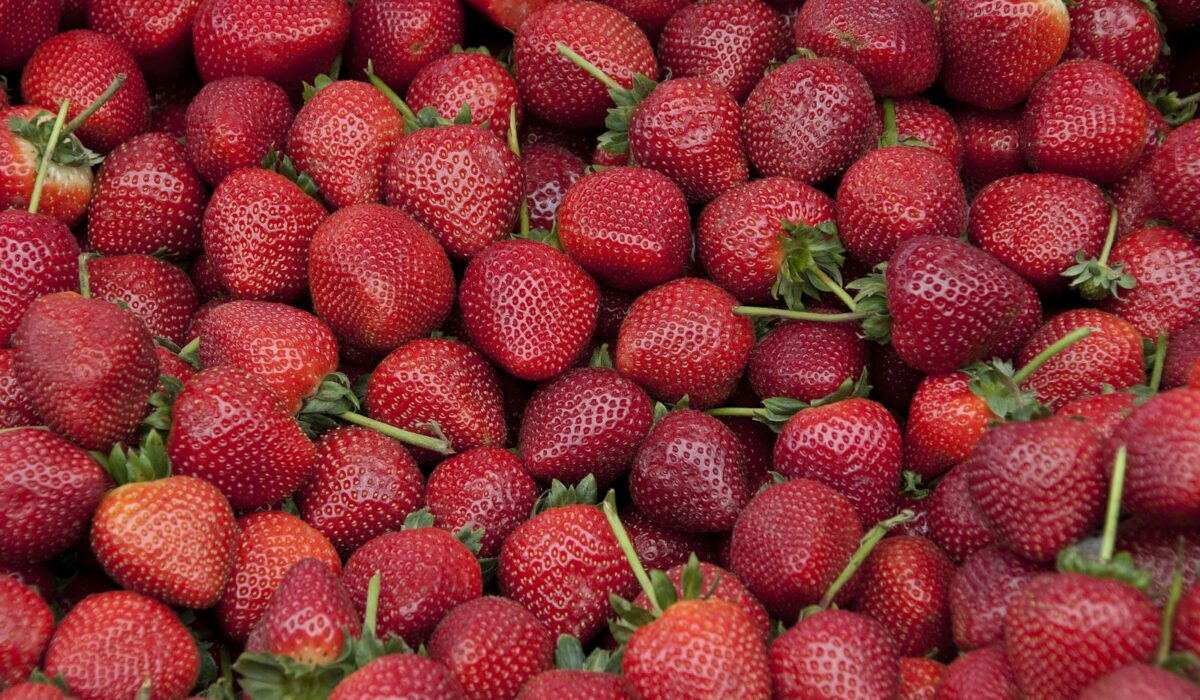
Nothing beats the taste of a sun-warmed strawberry picked straight from your own garden. Growing strawberries at home is easier than you might think, and even a small planting can produce pounds of delicious berries from spring through fall. Whether you have a large garden, a patio with containers, or even a sunny windowsill, here’s your complete guide to growing sweet, juicy strawberries.
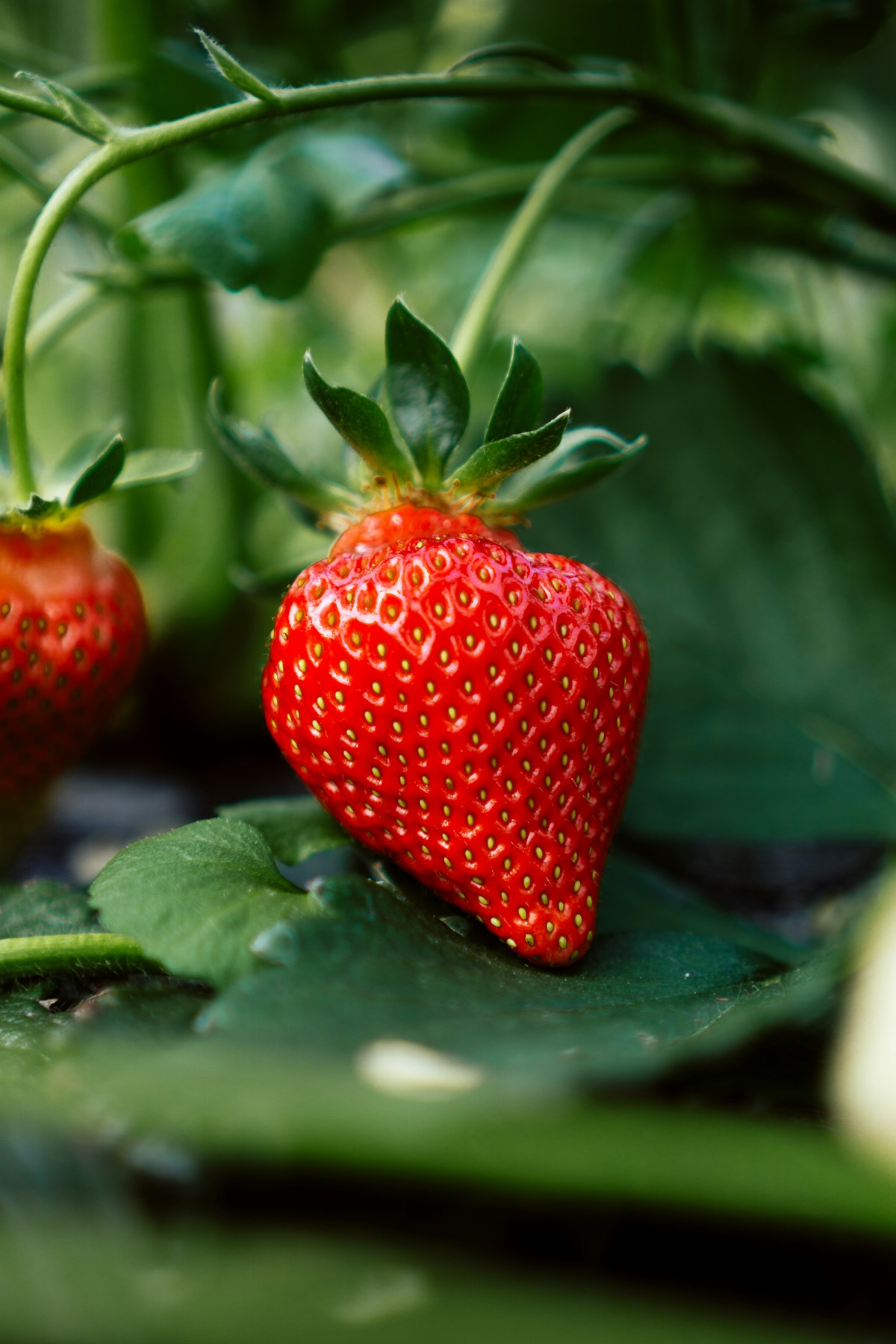
Types of Strawberry Plants
Understanding the three main types of strawberries helps you choose the right variety for your goals. June-bearing strawberries produce one large, concentrated harvest in late spring to early summer. They’re the most productive type, making them ideal for preserving and making jam. Everbearing strawberries produce two to three smaller harvests throughout the growing season — typically in spring, summer, and fall. Day-neutral strawberries produce fruit continuously from spring through fall, as long as temperatures stay between 35-85°F. They’re perfect for fresh eating all season.
Best Strawberry Varieties to Grow
For June-bearing, try Chandler (large, sweet berries), Earliglow (excellent flavor, disease resistant), or Jewel (vigorous and productive). For everbearing varieties, Ozark Beauty and Quinault are reliable choices with great flavor. Among day-neutrals, Albion produces large, firm berries with exceptional sweetness, Seascape offers high yields and excellent disease resistance, and Mara des Bois combines the flavor of wild strawberries with modern productivity.
Choosing the Perfect Spot
Strawberries need at least 6-8 hours of full sun daily for maximum sweetness and production. Choose a spot with well-drained soil — strawberries are prone to root rot in waterlogged conditions. Avoid planting where tomatoes, peppers, eggplant, or potatoes grew in the past 3 years, as these crops can harbor verticillium wilt that devastates strawberries.
Slightly acidic soil with a pH of 5.5-6.8 is ideal. Test your soil before planting and amend if needed. Adding aged compost improves both drainage and fertility. Raised beds are excellent for strawberries, providing perfect drainage and making harvesting easier on your back.
Planting Strawberries
Plant strawberries in early spring as soon as the soil can be worked, or in late summer to early fall for a harvest the following spring. Bare-root plants from reputable nurseries give you the widest variety selection. Soak roots in water for 30 minutes before planting.
Dig holes wide enough to spread roots without crowding. The crown — where the stems emerge from the roots — must sit exactly at soil level. Too deep and the crown rots; too shallow and roots dry out. Space June-bearing types 12-18 inches apart in rows 3-4 feet apart. Everbearing and day-neutral can be spaced 8-12 inches apart.
Growing Strawberries in Containers
Container strawberries are surprisingly productive. Use pots at least 12 inches wide and 8 inches deep, or try specialized strawberry towers and hanging baskets. Fill with high-quality potting mix amended with perlite for drainage. Plant 3-4 plants per large container.
Container strawberries need more frequent watering than in-ground plants — check daily during hot weather. Feed every 2 weeks with a balanced liquid fertilizer during the growing season. Move containers to a sheltered spot in winter, or insulate them with straw or bubble wrap to protect roots from freezing.
Watering and Feeding
Strawberries need consistent moisture — about 1-1.5 inches of water per week. Water at the base of plants to keep fruit and foliage dry, which prevents fungal diseases. Drip irrigation or soaker hoses are ideal. Mulch with straw (hence the name strawberry!) to retain moisture, keep fruit clean, and suppress weeds.
Feed strawberries with a balanced fertilizer at planting time and again after the first harvest. Avoid high-nitrogen fertilizers during fruiting, as they promote leaf growth at the expense of berries. A phosphorus-rich fertilizer encourages more flowers and fruit.
Managing Runners
June-bearing strawberries produce runners — long stems with baby plants at the tips. While runners are great for expanding your patch, they reduce fruit production on the mother plant. For maximum berry harvest, clip most runners as they appear. To propagate, allow 2-3 runners per plant to root, then sever the connection once the baby plant is established.
Everbearing and day-neutral varieties produce fewer runners but should still be managed. Pinch off runners and early flowers in the first year to help plants establish strong root systems that will produce better harvests in subsequent years.
Protecting Your Berries
Birds are the biggest threat to ripe strawberries. Cover plants with bird netting as berries start to color, securing edges to the ground so birds can’t sneak underneath. Slugs and snails love strawberries too — copper tape around raised beds, iron phosphate bait, or beer traps keep them at bay.
Gray mold (Botrytis) is the most common strawberry disease. Prevent it by ensuring good air circulation, removing any rotting berries promptly, and keeping foliage dry during watering. Rotating your strawberry patch to a new location every 3-4 years prevents soilborne disease buildup.
Harvesting Strawberries
Pick strawberries in the morning when they’re cool and firm. Harvest when berries are fully red with no white or green tips — once picked, they don’t continue to ripen. Pinch the stem about half an inch above the berry rather than pulling the fruit, which can damage the plant.
Fresh strawberries are best eaten the same day but will keep in the refrigerator for 3-5 days. For longer storage, freeze berries in a single layer on a baking sheet, then transfer to freezer bags. Frozen strawberries are perfect for smoothies, baking, and making jam throughout the year.
Winterizing Your Strawberry Patch
In cold climates (zones 3-6), protect strawberry plants with a 4-6 inch layer of clean straw or pine needles after the first hard frost. This insulating mulch prevents freeze-thaw cycles that heave plants out of the soil. Remove the mulch gradually in spring as new growth emerges, keeping some on hand to cover plants if a late frost threatens.
Growing more food? Check out tomatoes in pots, growing peppers, and starting a vegetable garden.
Start Your Strawberry Patch Today
A well-maintained strawberry patch produces fruit for 3-5 years, making it one of the best investments in your food garden. Start with 25 plants per family member for fresh eating, or 50+ if you want enough for preserving. With proper care, you’ll be enjoying the sweetest strawberries you’ve ever tasted — straight from your own garden.