


Companion planting is one of the oldest and most effective gardening strategies, pairing plants that benefit each other while avoiding combinations that hinder growth. By understanding which plants make good neighbors, you can boost yields, repel pests naturally, improve flavor, and make the most of your garden space.
How Companion Planting Works
Companion planting works through several mechanisms. Some plants release chemicals from their roots or leaves that repel specific pests. Others attract beneficial insects that prey on garden pests. Tall plants can provide shade for heat-sensitive crops, while ground-covering plants suppress weeds and retain soil moisture. Nitrogen-fixing plants like beans and peas actually enrich the soil for their neighbors.
The Three Sisters: A Classic Companion Planting Method
The most famous companion planting technique comes from Indigenous American agriculture. Corn provides a natural trellis for beans to climb. Beans fix nitrogen in the soil, feeding the heavy-feeding corn. Squash spreads along the ground, its large leaves shading out weeds and retaining moisture. Together, these three crops create a self-sustaining ecosystem that produces more food per square foot than any of them grown alone.
Best Tomato Companions
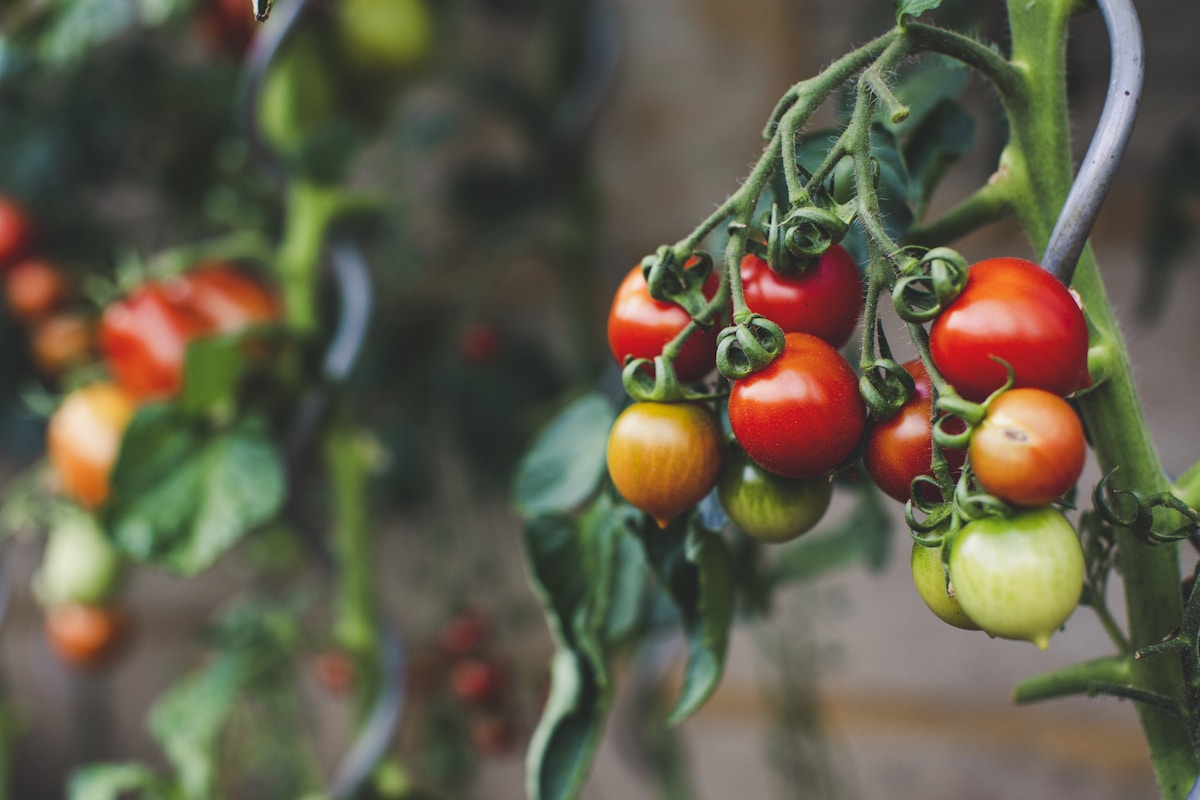
Tomatoes benefit enormously from companion planting. Basil planted near tomatoes is said to improve their flavor and repels aphids, mosquitoes, and whiteflies. Marigolds planted around tomato beds deter nematodes and whiteflies with their pungent scent. Carrots loosen the soil around tomato roots, improving water penetration. Garlic and onions repel spider mites and aphids that commonly attack tomato plants.
Keep tomatoes away from brassicas (cabbage, broccoli, cauliflower), fennel, and other nightshades like potatoes. Potatoes and tomatoes share diseases like blight, so spacing them apart reduces disease transmission throughout your garden.
Companion Planting Chart: Vegetables
Here are the best and worst companions for popular garden vegetables. Beans grow well with corn, squash, celery, and cucumbers, but should be kept away from onions, garlic, and fennel. Carrots thrive near tomatoes, lettuce, rosemary, and onions, but struggle near dill. Cucumbers pair well with beans, corn, peas, and sunflowers, but dislike potatoes and aromatic herbs like sage.
Lettuce benefits from being planted near carrots, radishes, strawberries, and chives. Peppers do well with tomatoes, basil, carrots, and onions. Squash loves being near corn, beans, and nasturtiums. Peas are excellent companions for carrots, turnips, radishes, and cucumbers, but should be kept away from onions and garlic.
Companion Planting with Herbs
Herbs are powerhouse companion plants. Basil repels flies, mosquitoes, and aphids while improving the growth of tomatoes and peppers. Dill attracts beneficial wasps and ladybugs that control garden pests, and its flowers are beloved by pollinators. Rosemary deters cabbage moths, bean beetles, and carrot flies. Sage repels cabbage moths and carrot flies. Thyme deters cabbage worms and is a wonderful ground cover between garden rows.
Mint is a fantastic pest deterrent but should always be grown in containers — it’s extremely invasive and will take over your garden bed if planted directly in the ground. Place potted mint near cabbage, tomatoes, and peppers to repel aphids and flea beetles.
Flowers as Companion Plants
Flowers aren’t just decorative in a vegetable garden — they serve critical roles. Marigolds are the most popular companion flower, releasing chemicals that repel nematodes, whiteflies, and even rabbits. Nasturtiums serve as trap crops, attracting aphids away from your vegetables. Sunflowers provide structural support for climbing crops and attract pollinators. Zinnias and cosmos attract beneficial insects like hoverflies and parasitic wasps.
Lavender repels fleas, moths, and mosquitoes while attracting pollinators. Plant it along garden borders or between vegetable rows. Borage attracts bees and predatory insects while improving the growth of tomatoes and strawberries. Its beautiful blue flowers are also edible.
Bad Plant Combinations to Avoid
Some plants actively inhibit each other’s growth through a process called allelopathy. Black walnut trees release juglone, a chemical toxic to tomatoes, peppers, eggplant, and many other garden plants — avoid gardening within 50 feet of black walnut trees. Fennel is antagonistic to most garden vegetables and should be grown in isolation. Dill stunts the growth of carrots despite being in the same family.
Avoid planting brassicas near strawberries, as they compete heavily for nutrients. Don’t grow potatoes near tomatoes, peppers, or eggplant — they share the same diseases and pests. Onions and garlic inhibit the growth of beans and peas by interfering with their nitrogen-fixing bacteria.
Companion Planting Layout Tips
Interplanting — growing companions within the same bed — is more effective than just planting them nearby. Mix quick-growing crops like radishes and lettuce between slower-growing plants like tomatoes and peppers. The quick crops will be harvested before the larger plants need the space.
Use border planting to create a protective ring of companion flowers and herbs around your vegetable beds. Plant tall companions on the north side to avoid shading shorter plants. Create pollinator pathways through your garden with continuous blooming flowers to ensure good fruit set on tomatoes, squash, and other crops that need pollination.
Getting Started with Companion Planting
Start simple by adding basil near your tomatoes, marigolds around your vegetable beds, and nasturtiums at the border of your garden. Observe how your plants respond and keep notes throughout the season. Companion planting is as much art as science — your specific soil, climate, and pest pressures will determine which combinations work best in your garden. Each season, experiment with new pairings and refine your approach for an increasingly productive and beautiful garden.