


Starting a garden is one of the most rewarding decisions you’ll ever make. Whether your goal is growing fresh vegetables, creating a beautiful flower display, or simply finding a relaxing hobby, gardening delivers on all fronts. This comprehensive guide walks you through everything you need to know to start a garden from absolute zero — no experience required.
Decide What Kind of Garden You Want
Before you pick up a shovel, decide what type of garden excites you most. A vegetable garden provides fresh, nutritious food that tastes infinitely better than store-bought produce. A flower garden creates curb appeal, supports pollinators, and provides cut flowers for your home. An herb garden gives you fresh seasonings year-round and can be as simple as a few pots on a windowsill. A mixed garden combines all three — vegetables, flowers, and herbs working together in beautiful harmony.
Consider your climate, available space, and how much time you can commit. A small herb garden needs just 15 minutes a week, while a large vegetable plot might require several hours. Start with what genuinely interests you — passion is the most important ingredient for gardening success.
Find Your Growing Zone
Your USDA hardiness zone determines which plants will thrive in your climate. The zone is based on your area’s average minimum winter temperature. Zone 3 experiences frigid winters down to -40°F, while Zone 10 rarely drops below 30°F. Knowing your zone helps you choose appropriate plants and time your planting correctly. You can find your zone by entering your zip code on the USDA Plant Hardiness Zone Map website.
Beyond your hardiness zone, learn your first and last frost dates. These dates frame your entire growing season. Most warm-season crops like tomatoes and peppers go outdoors after the last spring frost, while cool-season crops like lettuce and peas can handle light frost and get planted earlier.
Pick the Best Location
Location can make or break your garden. Most vegetables and flowers need 6-8 hours of direct sunlight daily. Observe potential garden spots throughout the day to map sun exposure. Morning sun with afternoon shade is ideal in hot climates, while full-day sun works best in cooler regions.
Good drainage is essential — avoid spots where water puddles after rain. Access to a water source saves time and effort. Proximity to your house means you’ll visit your garden more often, catching problems early and harvesting at peak ripeness. If your yard has limited sun, shade-tolerant crops like lettuce, spinach, kale, and herbs like mint and parsley can still produce well with 3-4 hours of sunlight.
Start Small — Really Small
The biggest mistake beginners make is starting too big. A 4×4 foot raised bed or 3-4 large containers is the perfect starter garden. This manageable size lets you learn the basics without becoming overwhelmed. You’ll understand watering rhythms, notice pest problems early, and experience the satisfaction of harvesting before expanding.
If you want a traditional in-ground garden, limit your first plot to 100 square feet — roughly 10×10 feet. This provides enough space for a variety of plants while remaining manageable for a beginner. Track what works and what doesn’t in a garden journal, and expand the following year based on your experience.
Prepare Your Soil
Healthy soil grows healthy plants. Before planting, understand what you’re working with. Pick up a handful of moist soil and squeeze it. If it forms a tight ball that doesn’t crumble, you have clay soil. If it falls apart immediately, you have sandy soil. The ideal loamy soil holds together loosely and crumbles when poked.
Regardless of your soil type, adding organic matter improves it dramatically. Work 2-4 inches of compost into the top 8-12 inches of soil. Compost improves clay drainage, increases sand’s water retention, adds nutrients, and feeds beneficial soil organisms. If starting a raised bed, fill it with a mix of topsoil, compost, and perlite for an ideal growing medium.
Essential Gardening Tools
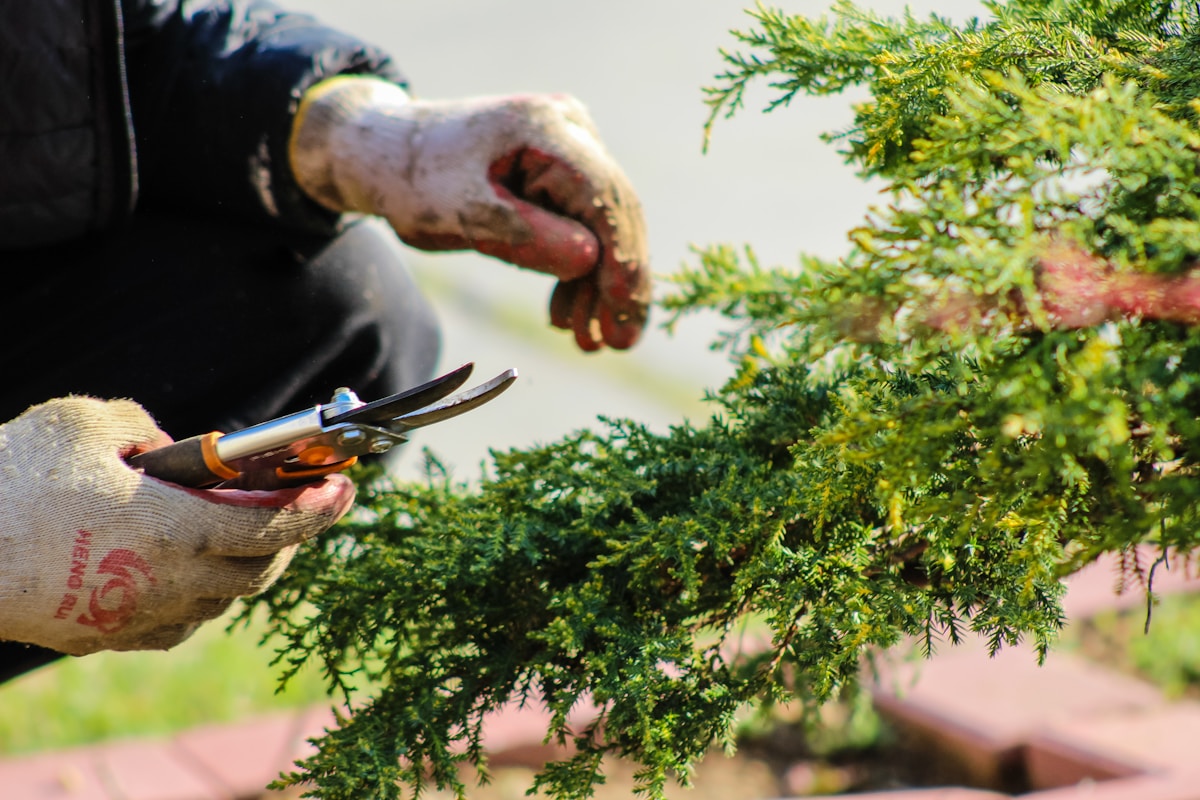
You don’t need expensive equipment to start gardening. The essential starter toolkit includes a hand trowel for digging and planting, a garden fork or cultivator for loosening soil, a watering can or hose with a gentle spray nozzle, gardening gloves to protect your hands, and a pair of pruning shears for harvesting and maintenance. That’s it — five tools get you started. As your garden grows, you can add a wheelbarrow, rake, hoe, and other tools as needed.
Choose Beginner-Friendly Plants
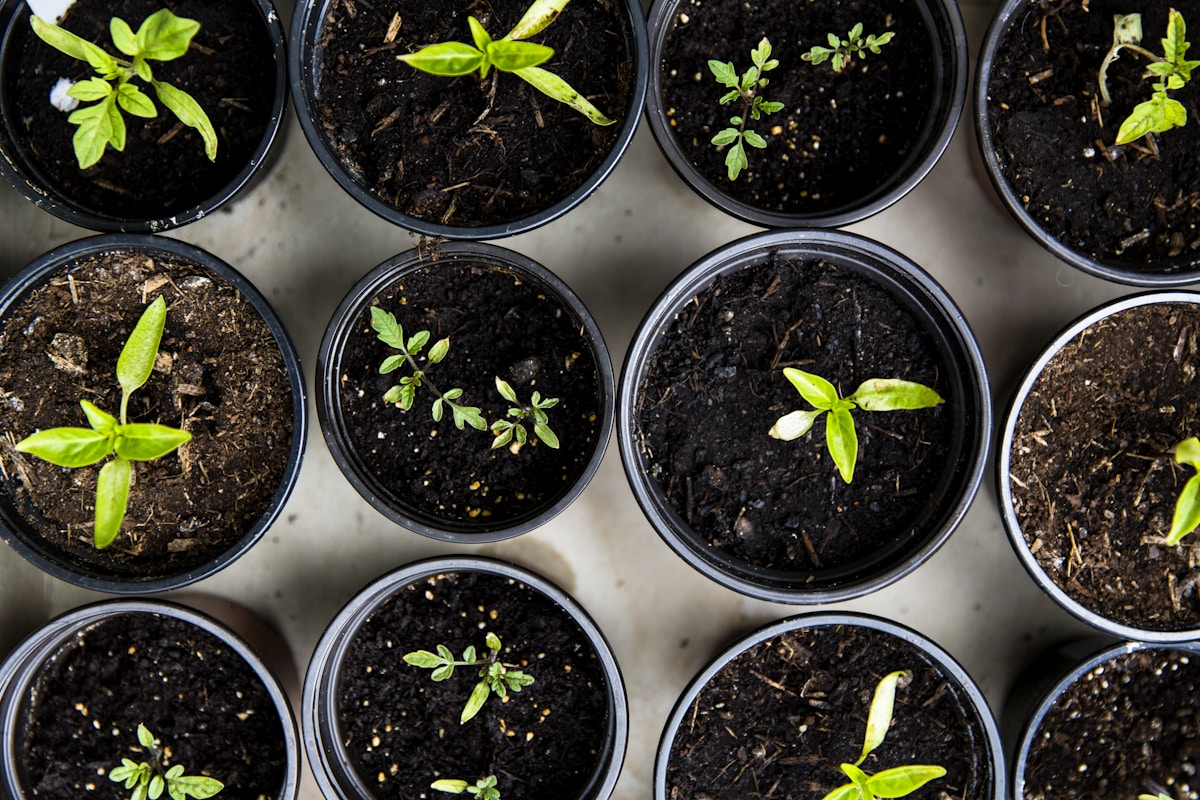
Some plants practically grow themselves, making them perfect for new gardeners. For vegetables, start with cherry tomatoes, lettuce, radishes, green beans, zucchini, and herbs like basil and cilantro. For flowers, marigolds, zinnias, sunflowers, nasturtiums, and cosmos are almost foolproof from seed. These plants germinate quickly, grow vigorously, tolerate minor mistakes, and produce abundantly — building your confidence for more challenging crops.
Buy transplants from a local nursery for instant gratification, or start from seed for greater variety and cost savings. Seed packets cost a fraction of transplants and offer hundreds of variety choices. Many beginner crops like beans, radishes, and lettuce grow better from direct-sown seed anyway.

Watering Basics
Proper watering is the single most important skill for new gardeners. Most gardens need about 1 inch of water per week from rain or irrigation. Water deeply and less frequently — a thorough soaking twice a week beats a light sprinkle every day. Deep watering encourages roots to grow downward, creating stronger, more drought-resistant plants.
Water in the early morning when possible. This minimizes evaporation and gives foliage time to dry before evening, reducing disease risk. Water at the base of plants rather than overhead — wet leaves promote fungal problems. The simplest way to check if your garden needs water is to stick your finger 2 inches into the soil. If it’s dry, water. If it’s moist, wait.
Mulch Is Your Best Friend
Mulching is the closest thing to a gardening cheat code. A 2-3 inch layer of organic mulch around plants suppresses weeds by 90%, retains soil moisture, regulates soil temperature, prevents soil-borne diseases from splashing onto leaves, and adds nutrients as it decomposes. Straw, shredded leaves, wood chips, and grass clippings all make excellent mulch. Apply after plants are established, keeping mulch a few inches away from stems to prevent rot.
Feeding Your Garden
Plants need nutrients beyond what most soils naturally provide. A balanced all-purpose organic fertilizer applied at planting time gives most crops what they need. Compost is the ultimate garden superfood — side-dress plants with a handful of compost monthly during the growing season for a steady nutrient supply.
Learn to read your plants for nutritional cues. Yellowing lower leaves often signal nitrogen deficiency. Purple-tinged foliage can mean phosphorus shortage. Browning leaf edges may indicate potassium deficiency. Addressing these early keeps your garden productive throughout the season.
Dealing with Pests and Problems
Every garden faces pest challenges, but don’t reach for chemicals first. Healthy soil and strong plants naturally resist most problems. Hand-pick larger pests like caterpillars and beetles. Use a strong spray of water to knock off aphids. Encourage beneficial insects like ladybugs, lacewings, and praying mantises — they’re your garden’s natural pest control team.
Companion planting helps deter pests naturally. Marigolds repel nematodes and whiteflies. Basil near tomatoes deters hornworms. Nasturtiums attract aphids away from your vegetables. If problems persist, organic solutions like neem oil, insecticidal soap, and diatomaceous earth handle most common garden pests safely.
Continue Your Gardening Journey
Once you’ve got the basics down, explore these in-depth guides: starting a vegetable garden, growing succulents, growing lavender, companion planting, and vertical gardening ideas.
Your Garden Journey Begins
The best time to start a garden was yesterday. The second best time is today. Don’t wait for perfect conditions or complete knowledge — gardening is learned by doing. Start with a few easy plants, observe what happens, and adjust as you go. Every gardener, no matter how experienced, started exactly where you are now. Your garden awaits — go get your hands dirty and discover the joy of growing things.