

In This Article
- The History and Science Behind Three Sisters Planting
- Choosing the Right Varieties for Each Sister
- Step-by-Step Planting Instructions
- Spacing and Garden Layout Options
- Care and Maintenance Through the Growing Season
- Harvesting and Preserving Your Three Sisters Crops
- Common Mistakes and Troubleshooting
The History and Science Behind Three Sisters Planting
The Three Sisters planting method originates from Indigenous peoples of North America, who recognized that corn, beans, and squash grow better together than apart. This 5,000-year-old agricultural technique combines three crops in a symbiotic relationship that improves soil fertility, conserves water, and maximizes food production in a small space.
The science is straightforward: corn stalks provide natural trellises for climbing beans, beans fix atmospheric nitrogen into the soil that feeds the corn and squash, and squash leaves create a living mulch that shades the soil, retains moisture, and suppresses weeds. The prickly squash vines also deter raccoons and other animals from the corn.
Key Takeaway: Three Sisters planting produces 20 to 30 percent more food per square foot than growing the three crops separately, while reducing the need for supplemental fertilizer and irrigation.
Choosing the Right Varieties for Each Sister
Not all varieties work equally well in a Three Sisters planting. Tall, sturdy corn varieties serve as the best living trellises, while pole beans (not bush beans) are essential for climbing the stalks. Winter squash with vigorous vines covers the most ground.
- Corn: Choose tall dent corn, flour corn, or sweet corn varieties that reach 7 to 8 feet. Avoid short ornamental types.
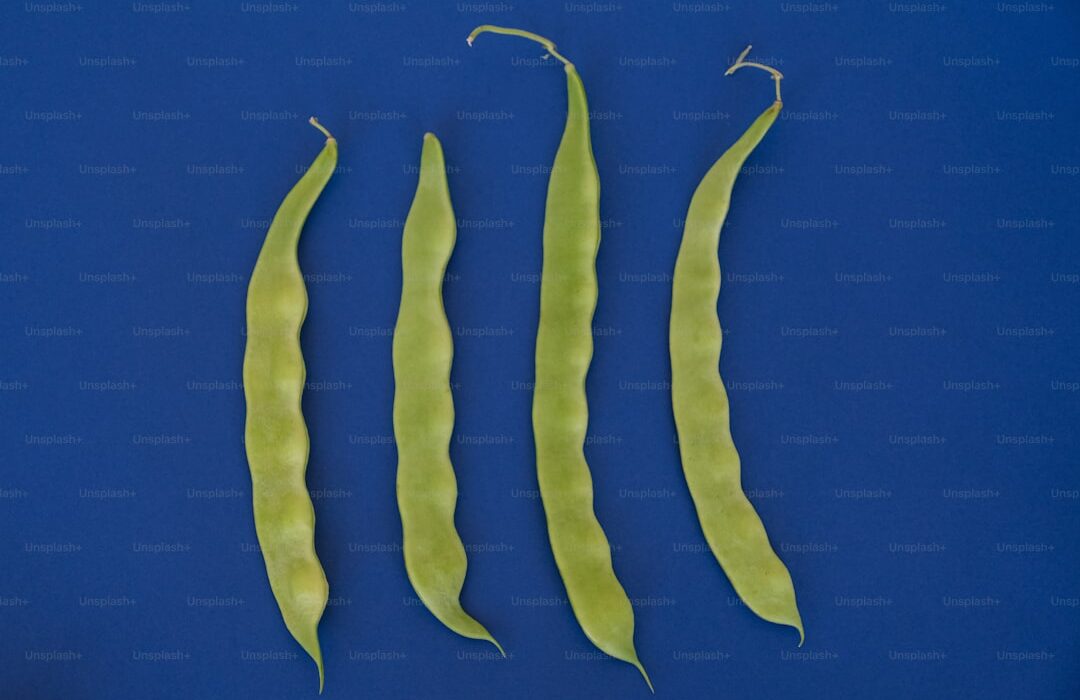
- Beans: Pole beans are essential — scarlet runner beans, Kentucky Wonder, or rattlesnake beans climb aggressively
- Squash: Butternut, pumpkin, or Hubbard squash produce the broad leaves needed for ground coverage
- Modern alternative: Sunflowers can replace corn as the structural support if you prefer
Step-by-Step Planting Instructions
Start by creating mounds 4 feet apart in all directions. Each mound should be about 12 inches high and 18 inches across with a slight depression on top to hold water. Amend each mound with a shovelful of compost before planting.
Plant the corn first — sow 5 to 7 seeds in the center of each mound when soil temperatures reach 60°F. Wait two to three weeks until corn is 6 inches tall before planting beans. This head start ensures the stalks are strong enough to support the climbing beans.
Plant 4 bean seeds around each corn cluster, about 6 inches from the stalks. One week after planting beans, sow 3 squash seeds at the edge of each mound, spacing them evenly around the perimeter. The staggered planting prevents the faster-growing beans from overwhelming young corn.
Pro Tip: Water the mound depression after planting each sister. The concave top directs water to the root zone and prevents runoff on the sloped sides.
Spacing and Garden Layout Options
The traditional mound spacing is 4 feet center to center, giving squash vines room to spread between mounds. For smaller gardens, reduce spacing to 3 feet and choose compact squash varieties like butternut instead of sprawling pumpkins.
A 10 by 10 foot plot accommodates 6 to 9 mounds in a grid pattern, producing enough corn, beans, and squash to demonstrate the method effectively. Scale up for food production — a 20 by 20 foot plot with 16 mounds produces substantial harvests.
- Traditional: 4-foot spacing with winter squash — needs 100+ square feet minimum
- Compact: 3-foot spacing with bush delicata squash — works in 60 square feet
- Row adaptation: Plant corn in double rows, beans beside them, squash on the outer edges
- Raised bed: Single mound in a 4×4 bed with smaller varieties of all three
Care and Maintenance Through the Growing Season
Three Sisters gardens need minimal maintenance once established, which is one of their greatest advantages. The bean-fixed nitrogen reduces fertilizer needs, and the squash mulch conserves moisture. However, early-season attention ensures strong establishment.
Guide bean vines toward corn stalks during the first two weeks of growth. Some vines find the stalks naturally, but gently wrapping tendrils around the base of the corn encourages climbing. Once attached, beans climb without further assistance.
Water deeply once or twice per week rather than frequent light watering. The mound system concentrates water at the root zone, and squash leaves reduce evaporation by up to 50 percent. Avoid overhead watering once squash leaves develop to prevent fungal diseases.
Key Takeaway: The only regular maintenance is training bean vines and occasional deep watering. Once the Three Sisters canopy closes (about 6 weeks after planting), the system largely manages itself.
Harvesting and Preserving Your Three Sisters Crops
Each sister is harvested at a different time. Sweet corn matures first at 70 to 90 days — harvest when silks turn brown and kernels squirt milky juice when punctured. Green beans are ready to pick 55 to 65 days after planting, while the first bean pods form.
Winter squash matures last, typically 90 to 110 days after planting. Harvest when the skin resists puncture from your thumbnail and the stem begins to dry. Cure squash in a warm (80°F), well-ventilated area for 10 days before long-term storage.
Shell beans and dry corn are left on the plants until the pods and husks are completely dry and papery. These store for months in sealed containers at room temperature, providing protein-rich food through winter.
Common Mistakes and Troubleshooting
The most common mistake is planting all three sisters simultaneously. Beans outgrow young corn and pull the stalks down. Always give corn a 2 to 3 week head start before planting beans.
- Corn falling over: Plant at least 4 stalks per mound for mutual support — single stalks blow down easily
- Beans not climbing: Gently wrap vines around corn base at 6 inches tall — some varieties need initial guidance
- Squash smothering young plants: Redirect vines away from mounds if they climb onto corn or beans
- Poor corn pollination: Plant at least 12 corn plants total — corn is wind-pollinated and needs mass plantings
- Nitrogen burn: Do not add extra nitrogen fertilizer — beans provide sufficient nitrogen for all three crops
Pro Tip: If raccoons are a problem despite the squash vine deterrent, try planting pumpkins as the squash sister. Their thick, prickly vines are the most effective animal deterrent of all squash varieties.
Frequently Asked Questions
How much space does a Three Sisters garden need?
A minimum of 60 square feet (roughly 8×8 feet) for a compact version with 4 mounds. Traditional spacing needs about 100 square feet. Even a single 4×4 raised bed can hold one mound as a demonstration.
Can I grow Three Sisters in raised beds?
Yes, but use a single mound per 4×4 bed or adapt to rows in longer beds. Choose compact squash varieties and ensure the bed depth is at least 12 inches for adequate root development. The key is giving squash enough room to spread.
Why are my beans not climbing the corn?
Young bean vines sometimes need guidance. When bean plants reach 6 inches, gently wrap them around the corn stalk base. Also ensure the corn had a 2-3 week head start so stalks are sturdy enough. Use tall corn varieties, not dwarf types.