

Deer can devastate a garden overnight, consuming entire rows of vegetables, stripping shrubs of foliage, and rubbing antlers on young trees. In areas with growing deer populations, protecting your garden requires a multi-layered approach since no single method works indefinitely. Deer adapt to individual deterrents, so combining strategies provides the most reliable long-term protection.
Understanding Deer Feeding Behavior
Deer are creatures of habit that follow established trails between feeding and bedding areas. They prefer tender new growth, hostas, daylilies, tulips, roses, and most vegetables. A single white-tailed deer consumes six to ten pounds of vegetation daily. Deer feed most actively at dawn and dusk and become bolder during drought, winter food scarcity, and when populations are high. Understanding when and where they enter your property helps you focus protection where it matters most.
Fencing Solutions
Standard Deer Fence
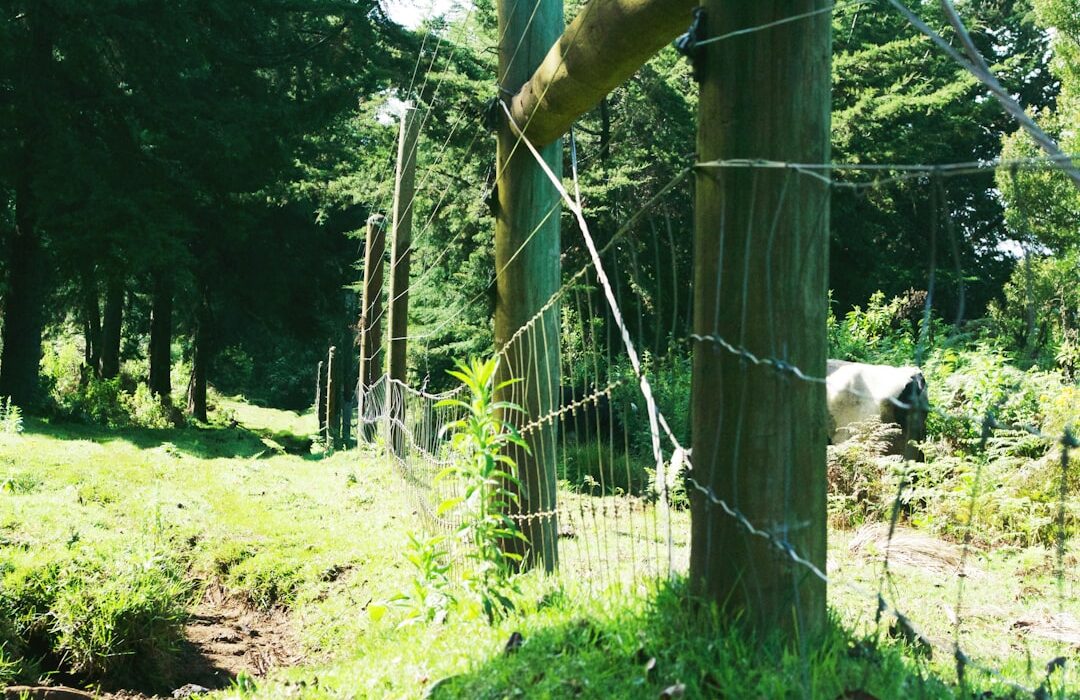
A deer fence must be at least eight feet tall to prevent jumping. Black polypropylene deer netting is nearly invisible, affordable, and effective when attached to tall posts. Metal or wooden fencing works for permanent installations. For smaller areas, a double fence system with two four-foot fences spaced three to four feet apart exploits deer’s inability to gauge depth and jump both width and height simultaneously.
Electric Fencing
A single-strand electric fence baited with peanut butter on foil strips teaches deer to avoid the area. When they lick the bait, they receive a memorable but harmless shock that conditions them to stay away. This method requires less height than conventional fencing and costs much less to install. Solar-powered fence chargers make installation simple in remote garden locations.
Repellent Strategies
Commercial deer repellents work by making plants taste or smell unpleasant. Products containing putrescent egg solids, garlic, and capsaicin are among the most effective. Apply before damage occurs and rotate between different products every few weeks to prevent habituation. Homemade repellents using Irish Spring soap bars hung in mesh bags, human hair scattered around the garden, or predator urine also provide temporary deterrence.
Deer-Resistant Plants
No plant is completely deer-proof, but many are rarely browsed. Strongly aromatic herbs like lavender, rosemary, sage, and thyme are generally avoided. Ornamental grasses, ferns, barberry, boxwood, and most plants with fuzzy, prickly, or tough foliage deter browsing. Daffodils and alliums are toxic to deer and completely avoided, while tulips and hostas are deer candy. Design your garden’s perimeter with deer-resistant plants and protect susceptible favorites within that buffer zone.
Motion-Activated Deterrents
Motion-activated sprinklers startle deer with a sudden burst of water and noise. They are effective for weeks until deer learn the pattern, so move the sprinkler regularly and combine with other methods. Motion-activated lights and ultrasonic devices provide additional startling effects. The key with all motion-activated devices is unpredictability; deer ignore consistent stimuli but remain wary of unexpected ones.
Frequently Asked Questions
Will a dog keep deer away?
Dogs are one of the most effective deer deterrents. Even the scent of a dog on your property discourages deer from entering. Dogs that patrol the yard are excellent at chasing deer away before they feed. However, the dog must be present and active during peak deer feeding times at dawn and dusk.
Do deer eat all vegetables?
Deer avoid most strongly scented vegetables including onions, garlic, hot peppers, and many herbs. They tend to leave rhubarb, asparagus, and tomato foliage alone. However, they readily eat beans, peas, lettuce, sweet potatoes, beets, and strawberries. Protect vulnerable crops and plant deer-resistant varieties when possible.