

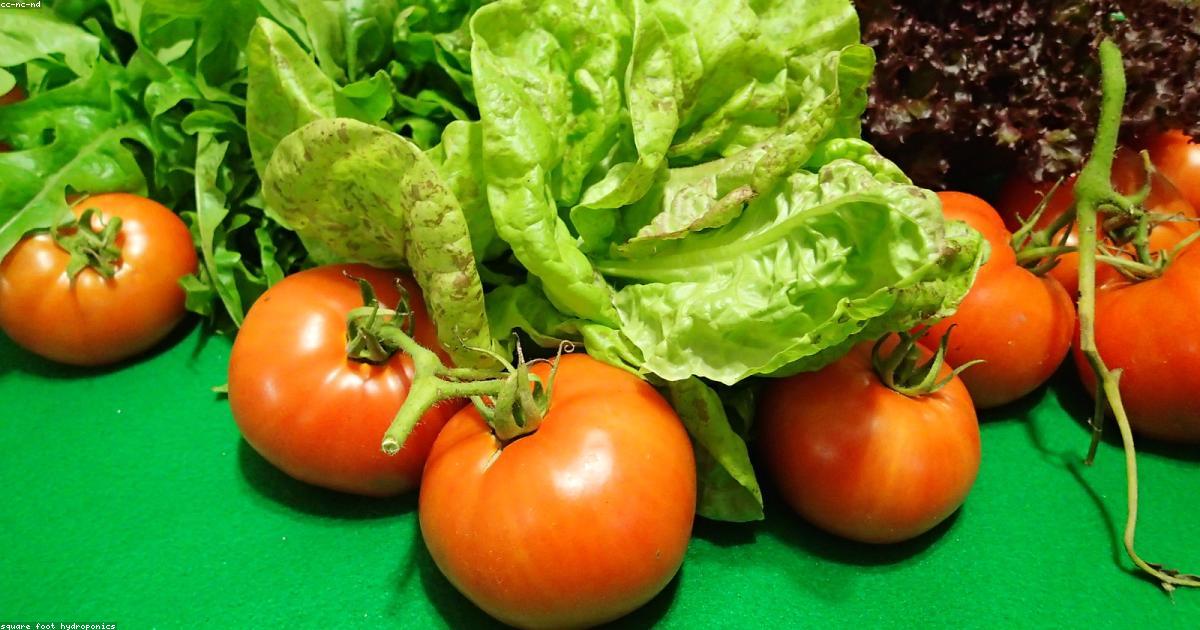
Square foot gardening revolutionized home vegetable production with its simple, efficient approach
Table of Contents
- What Is Square Foot Gardening?
- Why Square Foot Gardening Works So Well
- Building Your First Square Foot Garden Bed
- The Square Foot Spacing Guide
- Season-by-Season Planting Guide
- Companion Planting in Square Foot Gardens
- Succession Planting Strategy
- Watering Your Square Foot Garden
- Fertilizing and Soil Maintenance
- Pest and Disease Management
- Extending the Season
- Advanced Square Foot Techniques
- Troubleshooting Common Problems
- Sample Garden Plans
- Harvesting and Storage Tips
- Conclusion: Your Square Foot Garden Journey
Have you ever looked at your garden and felt overwhelmed by the endless weeding, watering, and maintenance? Or maybe you’ve wanted to grow vegetables but thought you needed acres of land? Square foot gardening changes everything.
Developed by Mel Bartholomew in the 1980s, this revolutionary method has helped millions of people grow more food in less space with less work. Instead of traditional rows with wide, empty pathways, square foot gardening divides your growing area into efficient 1-foot squares, each packed with precisely the right number of plants.
After helping hundreds of beginners establish their first square foot gardens, I can tell you this: if you follow the principles in this guide, you’ll harvest more fresh vegetables than you ever thought possible from a tiny fraction of the space you’d need with traditional gardening methods.
What Is Square Foot Gardening?
Square foot gardening is a simple, systematic approach to growing vegetables in a compact, organized space. The method is built around a few core principles:
The Grid System: Growing beds are divided into 1-foot by 1-foot squares using physical dividers or mental spacing. Intensive Planting: Each square is planted with the maximum number of plants that can grow to full size without crowding. Perfect Soil Mix: Instead of amending existing soil, you create a custom growing medium (Mel’s Mix) that provides ideal conditions. No Walking on Beds: Beds are sized so you can reach every square from outside, eliminating soil compaction. Continuous Harvest: Succession planting ensures you always have crops at various stages of maturity.Why Square Foot Gardening Works So Well
The Math Behind the Magic
Traditional row gardening typically uses only 20% of available space for actual growing—the rest is paths. Square foot gardening flips this ratio, using 80%+ of space for production.
| Gardening Method | Space Efficiency | Water Usage |
|---|---|---|
| Traditional Rows | 20% growing | High |
| Raised Beds | 60% growing | Medium |
| Square Foot | 80%+ growing | Low |
Benefits for Beginners
Faster Results: The intensive planting and quality soil mix accelerate growth. Less Overwhelming: The grid system breaks gardening into manageable 1-foot sections. Fewer Mistakes: Clear spacing guidelines eliminate guesswork about plant spacing. Easier Maintenance: Close plant spacing creates a living mulch that suppresses weeds. Better Organization: Crop rotation and planning are simple with the grid system.Building Your First Square Foot Garden Bed
Choosing Your Bed Size
While you can make beds any size, the 4×4 foot bed is the sweet spot for beginners:
| Bed Size | Best For | Accessibility |
|---|---|---|
| 3×3 feet | Children, tight spaces | Reach all squares easily |
| 4×4 feet | Beginners, most crops | Reach center from any side |
| 4×8 feet | Larger harvests | Reach from long sides only |
| 4×12 feet | Experienced gardeners | May need stepping stones |
Materials Needed
For a 4×4 Bed:- (4) 2″x6″ or 2″x8″ boards, 4 feet long (cedar, redwood, or composite)
- (4) 4″x4″ corner posts, 12 inches long
- 2″ deck screws (16-20 screws)
- Grid materials: wood lath, bamboo, or string
- 8 cubic feet of Mel’s Mix (see recipe below)
Step-by-Step Construction
Step 1: Build the Frame “` 1. Drill pilot holes in board ends 2. Screw boards to corner posts 3. Check that frame is square (diagonals equal length) 4. Ensure corners are flush “` Step 2: Position the Bed- Choose a level spot with 6-8 hours of sun
- Remove grass if placing directly on lawn
- Consider adding hardware cloth (wire mesh) if gophers are an issue
- Measure and mark every 12 inches on frame
- Attach grid material to create 16 squares
- Use screws or small nails to secure
- Add mixture evenly across bed
- Water thoroughly to settle soil
- Top off if soil level drops significantly
Mel’s Mix: The Perfect Soil Recipe
This is the secret sauce of square foot gardening. Don’t skimp on quality ingredients.
Ingredients (for 8 cubic feet – one 4×4 bed):| Component | Amount | Purpose |
|---|---|---|
| Blended Compost | 2.67 cu ft (1/3) | Nutrients, microorganisms |
| Peat Moss or Coir | 2.67 cu ft (1/3) | Water retention, aeration |
| Coarse Vermiculite | 2.67 cu ft (1/3) | Drainage, moisture balance |
- Mushroom compost
- Worm castings
- Composted cow manure
- Composted chicken manure
- Leaf mold/bagged compost
- Homemade compost
The Square Foot Spacing Guide
This is the heart of the system. Each crop has a specific number of plants per square based on its mature size.
1 Plant Per Square
| Vegetable | Spacing | Notes |
|---|---|---|
| Tomato | 1 per 1-4 squares | Depends on variety |
| Pepper | 1 per square | Use cages for support |
| Eggplant | 1 per square | Needs full sun |
| Broccoli | 1 per square | 18″ mature width |
| Cauliflower | 1 per square | Protect from heat |
| Cabbage | 1 per square | Heavy feeder |
| Brussels Sprouts | 1 per square | Tall, needs support |
| Zucchini | 1 per 2 squares | Bush varieties only |
| Cucumber (bush) | 1-2 per square | Vining needs trellis |
| Okra | 1 per square | Warm weather crop |
4 Plants Per Square (6-inch spacing)
| Vegetable | Planting Pattern | Notes |
|---|---|---|
| Lettuce (head) | One in each corner | Cut-and-come-again |
| Swiss Chard | 4 per square | Continuous harvest |
| Parsley | 4 per square | Biennial herb |
| Kale | 4 per square | Very productive |
| Collards | 4 per square | Heat tolerant |
| Basil | 4 per square | Pinch for bushiness |
| Cilantro | 4 per square | Succession plant |
| Bush Bean | 4-9 per square | Depends on variety |
9 Plants Per Square (4-inch spacing)
| Vegetable | Planting Pattern | Notes |
|---|---|---|
| Bush Beans | 9 per square | Plant in grid pattern |
| Spinach | 9 per square | Cool season favorite |
| Beets | 9 per square | Eat greens too |
| Turnips | 9 per square | Quick harvest |
| Peas (bush) | 8-9 per square | Climbing needs support |
| Garlic | 9 per square | Fall planted |
| Onions (bulb) | 9 per square | From sets or seeds |
| Shallots | 9 per square | Gourmet favorite |
16 Plants Per Square (3-inch spacing)
| Vegetable | Planting Pattern | Notes |
|---|---|---|
| Carrots | 16 per square | Thin carefully |
| Radishes | 16 per square | 25-day harvest |
| Lettuce (leaf) | 16 per square | Cut-and-come-again |
| Arugula | 16 per square | Spicy greens |
| Green Onions | 16 per square | Scallions |
| Mesclun Mix | Broadcast | Cut when 3-4 inches |
Sample Planting Patterns
Visual Grid for 9 Plants Per Square: “` +—+—+—+| O | O | O |
|---|
| O | O | O |
|---|
| O | O | O |
|---|
| O | O | O |
|---|
| O | O | O |
|---|
| O | O | O |
|---|
| O | O | O |
|---|
Season-by-Season Planting Guide
Spring Planting (4-6 weeks before last frost)
| Square | Crop | Plants/Sq |
|---|---|---|
| 1 | Peas | 8 |
| 2 | Spinach | 9 |
| 3 | Radishes | 16 |
| 4 | Lettuce | 4-16 |
| 5 | Kale | 4 |
| 6 | Carrots | 16 |
| 7 | Onions | 16 |
| 8 | Broccoli | 1 |
Summer Planting (After last frost, soil 60°F+)
| Square | Crop | Plants/Sq |
|---|---|---|
| 1 | Tomato | 1 |
| 2 | Pepper | 1 |
| 3 | Bush Beans | 9 |
| 4 | Cucumber | 2 |
| 5 | Zucchini | 1 per 2 sq |
| 6 | Basil | 4 |
| 7 | Eggplant | 1 |
| 8 | Corn | 4 |
Fall Planting (8-10 weeks before first frost)
| Square | Crop | Plants/Sq |
|---|---|---|
| 1 | Lettuce | 4-16 |
| 2 | Spinach | 9 |
| 3 | Radishes | 16 |
| 4 | Kale | 4 |
| 5 | Carrots | 16 |
| 6 | Beets | 9 |
| 7 | Garlic | 9 |
| 8 | Arugula | 16 |
Companion Planting in Square Foot Gardens
Use the grid to your advantage by planting beneficial companions in adjacent squares.
Successful Combinations
| Crop | Good Companions | Avoid |
|---|---|---|
| Tomatoes | Basil, parsley, carrots | Potatoes, fennel, dill |
| Peppers | Basil, onions, carrots | Beans, kohlrabi |
| Beans | Carrots, cucumbers, corn | Onions, garlic, fennel |
| Carrots | Onions, leeks, tomatoes | Dill, parsnips |
| Lettuce | Carrots, radishes, strawberries | Celery, parsley |
| Cucumbers | Beans, corn, peas | Potatoes, aromatic herbs |
| Broccoli | Onions, celery, chamomile | Tomatoes, strawberries |
The “Four Square” Companion Method
Create mini guilds in a 2×2 section:
“` +———-+———-+
| Tomato |
|---|
| Parsley |
|---|
This grouping provides:
- Basil repels tomato pests
- Parsley attracts beneficial insects
- Carrots break up soil for tomato roots
- All have similar water needs
Succession Planting Strategy
One of the biggest advantages of square foot gardening is efficient succession planting.
Continuous Harvest Schedule
Radishes (25 days):- Plant: Weeks 1, 3, 5, 7
- Harvest: Weeks 4, 6, 8, 10
- Plant: Weeks 1, 4, 7
- Harvest: Weeks 7, 10, 13
- Plant: Weeks 1, 6
- Harvest: Weeks 8, 13
| Weeks | Crop | Action |
|---|---|---|
| 1-4 | Radishes | Plant → Harvest → Replant |
| 5-9 | Lettuce | Plant → Harvest |
| 10-16 | Spinach | Plant → Harvest |
Relay Planting Technique
Start new seeds indoors 2-3 weeks before harvesting current crop. When you harvest, immediately transplant seedlings into the empty square.
Watering Your Square Foot Garden
Proper watering is crucial for intensive planting.
Watering Guidelines
| Weather | Frequency | Amount |
|---|---|---|
| Cool/Cloudy | Every 3-4 days | 1 inch |
| Mild | Every 2 days | 1 inch |
| Hot/Dry | Daily | 1-1.5 inches |
Best Watering Methods
1. Gentle Shower Spray- Use a shower-style nozzle
- Water until soil is moist 6 inches deep
- Avoid wetting foliage when possible
- Install 1/4 inch soaker line in grid pattern
- Run for 30-45 minutes, 2-3 times per week
- Conserves water, keeps foliage dry
- Bury unglazed clay pots between squares
- Fill weekly; water seeps slowly into soil
- Ancient technique, very efficient
Signs of Watering Issues
Underwatered:- Wilting in afternoon (doesn’t recover by evening)
- Slow growth
- Bitter or tough vegetables
- Yellowing lower leaves
- Fungus or mold on soil surface
- Root rot smell
Fertilizing and Soil Maintenance
Annual Bed Maintenance
Spring: 1. Top each square with 1-2 handfuls of compost 2. Gently work into top inch of soil 3. Add new Mel’s Mix if level has dropped significantly Between Crops: 1. Remove spent plants completely 2. Add 1 handful compost per square 3. Plant next crop immediatelyWhen to Add Fertilizer
Mel’s Mix should provide nutrients for the first season. In subsequent years:
| Sign |
|---|
| Yellowing leaves |
| Poor flowering/fruiting |
| Weak stems |
| General decline |
Compost Tea Recipe
Boost your garden with homemade compost tea:
Ingredients:- 1 gallon water (rainwater or dechlorinated)
- 2 cups finished compost
- 1 tablespoon molasses (food for microbes)
Pest and Disease Management
The intensive planting of square foot gardening actually helps prevent many problems.
Built-In Pest Prevention
Living Mulch: Close plant spacing shades soil, preventing many pests that live in soil. Diversity: Mixing crops confuses pests that target specific plants. Quick Detection: Regular harvesting means you spot problems early.Common Issues and Solutions
| Problem | Cause | Solution |
|---|---|---|
| Aphids | Over-fertilization, stress | Strong water spray, insecticidal soap |
| Slugs | Excess moisture | Diatomaceous earth, beer traps |
| Powdery mildew | Poor air circulation | Space plants properly, remove affected leaves |
| Blossom end rot | Calcium deficiency, irregular watering | Add lime, water consistently |
| Cabbage worms | Imported cabbageworm moth | Row cover, Bt spray |
Organic Pest Control Arsenal
Preventive:- Neem oil spray
- Row covers
- Companion planting
- Healthy soil
- Insecticidal soap
- Bacillus thuringiensis (Bt)
- Diatomaceous earth
- Hand picking
Extending the Season
Cold Frames for Square Foot Gardens
Build a simple cold frame to fit over your 4×4 bed:
Materials:- 2×4 lumber for frame
- Old windows or clear polycarbonate
- Hinges for venting
- Start spring 4-6 weeks early
- Extend fall harvest 4-6 weeks
- Overwinter cold-hardy crops
Low Tunnel Row Cover
For individual squares or sections:
1. Insert 6-foot lengths of 1/2-inch PVC pipe into corners 2. Bend to create hoops over bed 3. Cover with row cover fabric or clear plastic 4. Secure with clips or stones
Overwintering Crops
These crops survive winter with protection:
| Crop | Protection Needed | Harvest |
|---|---|---|
| Spinach | Row cover | Winter/Spring |
| Kale | Row cover or cold frame | All winter |
| Carrots | Thick straw mulch | Any time |
| Garlic | Mulch | Following summer |
| Mâche | Row cover | Winter |
Advanced Square Foot Techniques
Vertical Square Foot Gardening
Maximize production by going up:
Trellis Options:- Cattle panel arch (7 feet high)
- Nylon netting on conduit frame
- Folding wooden trellis
- Cucumbers: 2 per square
- Pole beans: 4-8 per square
- Indeterminate tomatoes: 1 per square
- Peas: 8 per square
- Small melons: 1 per square (use slings)
Table-Top Square Foot Gardens
Perfect for wheelchair users or those who can’t bend:
Specifications:- Height: 30-36 inches
- Width: 3 feet (reachable from one side)
- Length: 4-6 feet
- Bottom: Hardware cloth with landscape fabric liner
Square Foot Gardening for Kids
Children love the organized, manageable nature of square foot gardening.
Kid-Friendly Crops:- Radishes (quick results)
- Cherry tomatoes (fun to pick)
- Bush beans (easy to plant)
- Lettuce (cut-and-come-again)
- Nasturtiums (edible flowers)
- One square = one child’s responsibility
- Measuring and planting practice
- Daily observation journal
- Harvest cooking projects
Troubleshooting Common Problems
“My plants are too crowded”
Cause: Planted too many seeds, didn’t thin properly Solution: Thin to recommended spacing; use scissors to cut extras at soil level“My soil level keeps dropping”
Cause: Compost breaking down, settling Solution: Top off with fresh Mel’s Mix annually“I’m not getting good germination”
Causes and Solutions:| Cause |
|---|
| Old seeds |
| Planting too deep |
| Soil too cold |
| Insufficient moisture |
| Poor seed quality |
“My tomatoes aren’t producing fruit”
Common Causes:- Too much nitrogen ( promotes leaves, not fruit)
- Insufficient pollination (shake plants gently)
- Temperature extremes (above 90°F or below 55°F)
- Too much shade (need 6+ hours sun)
Sample Garden Plans
The Beginner’s 4×4 Garden
| 1 | 2 | 3 | 4 | |
|---|---|---|---|---|
| A | Tomato | Tomato | Basil | Basil |
| B | Pepper | Pepper | Parsley | Cilantro |
| C | Lettuce | Lettuce | Carrots | Carrots |
| D | Radishes | Radishes | Spinach | Spinach |
The Salad Lover’s Garden
| 1 | 2 | 3 | 4 | |
|---|---|---|---|---|
| A | Lettuce | Lettuce | Lettuce | Lettuce |
| B | Spinach | Spinach | Arugula | Arugula |
| C | Radishes | Radishes | Carrots | Carrots |
| D | Green Onions | Green Onions | Cherry Tomato | Cucumber |
The Salsa Garden
| 1 | 2 | 3 | 4 | |
|---|---|---|---|---|
| A | Tomato | Tomato | Jalapeño | Bell Pepper |
| B | Tomato | Tomato | Cilantro | Onions |
| C | Basil | Oregano | Garlic Chives | Tomatillo |
| D | Lettuce | Lettuce | Radishes | Cucumber |
Harvesting and Storage Tips
Peak Harvest Times
Harvest in the cool of morning for best flavor and storage life.
| Crop | Best Time | Storage Method |
|---|---|---|
| Lettuce | Early morning | Refrigerate in bag |
| Tomatoes | When fully colored | Counter, never fridge |
| Beans | When slender | Refrigerate in bag |
| Carrots | Any time | Remove tops, refrigerate |
| Peppers | When firm | Refrigerate |
| Basil | Before flowering | Water in jar on counter |
Daily Harvest Routine
Spend 10 minutes each morning: 1. Check each square for ripe produce 2. Harvest what’s ready 3. Remove any diseased or spent plant material 4. Note what squares will be empty soon 5. Plan next plantings
Conclusion: Your Square Foot Garden Journey
Square foot gardening transforms the complex art of vegetable growing into a simple, manageable system. By following the principles in this guide—proper bed construction, Mel’s Mix soil, correct spacing, and succession planting—you’ll be amazed at how much food you can produce in a tiny space.
Remember these key principles:
- Never walk on your growing beds
- Use the spacing guidelines religiously
- Keep your soil healthy with compost
- Plant continuously for ongoing harvests
- Observe and adapt as you learn
Start with one 4×4 bed your first season. Master the basics, enjoy the harvests, and expand as your confidence grows. Before you know it, you’ll be growing more vegetables than you ever thought possible—right outside your door.
Welcome to the square foot gardening revolution! Meta Description: Learn square foot gardening with our complete beginner’s guide. Discover how to build beds, make Mel’s Mix soil, spacing charts, and succession planting strategies for maximum harvests in minimal space. Target Keyword: square foot gardening]]>