


Starting a vegetable garden from scratch might seem overwhelming, but with the right approach, anyone can grow fresh, delicious produce at home. Whether you have a spacious backyard or a small patio, this comprehensive guide will walk you through every step of creating your first vegetable garden in 2026.
Why Start a Vegetable Garden?
Growing your own vegetables offers incredible benefits beyond just fresh food. You’ll save money on groceries, reduce your carbon footprint, get valuable exercise, and enjoy the therapeutic benefits of working with soil. Studies show that gardening reduces stress hormones by up to 30% and provides a sense of accomplishment that’s hard to match.
Step 1: Choose the Right Location
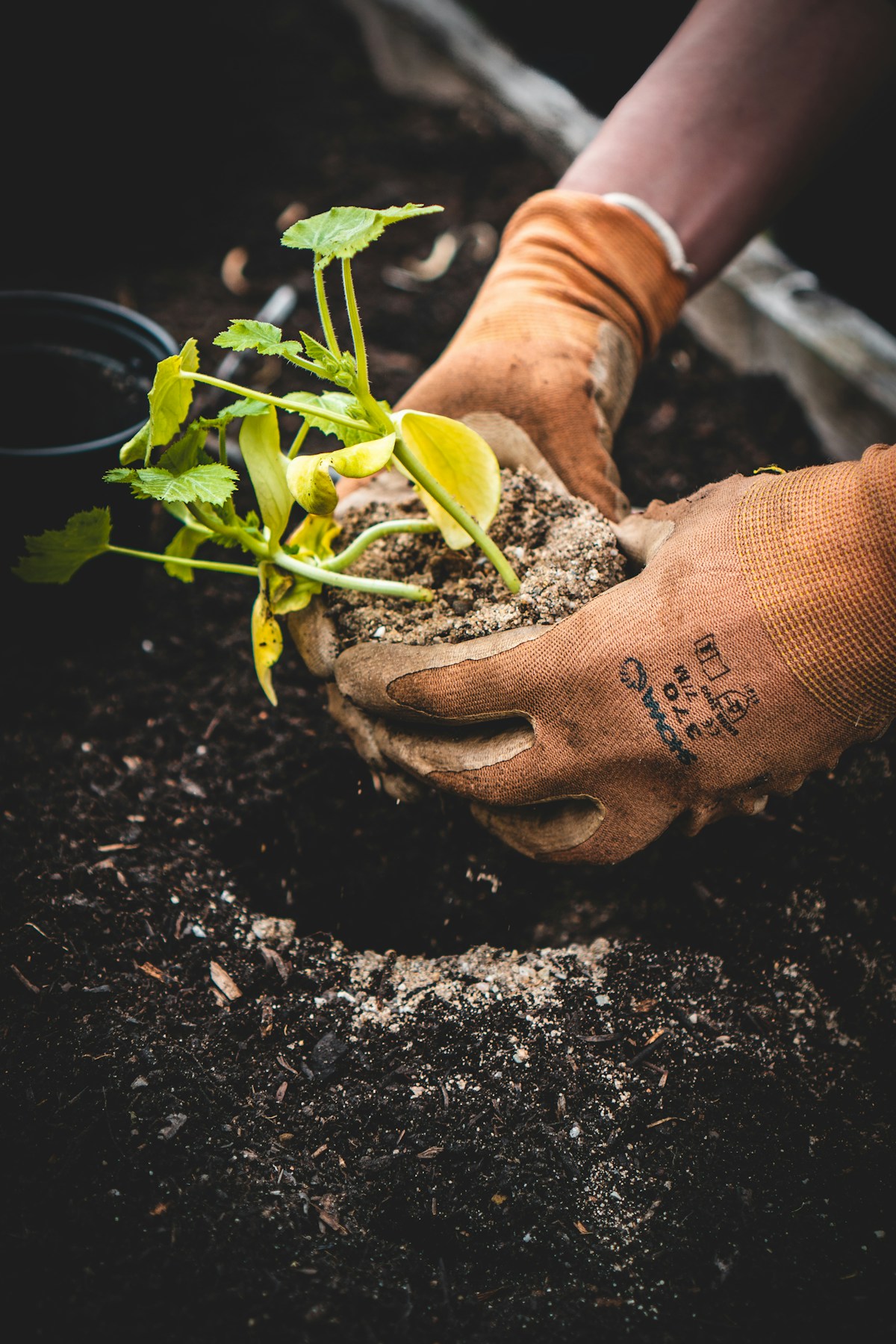
The success of your vegetable garden largely depends on location. Most vegetables need at least 6-8 hours of direct sunlight daily. Look for a spot that gets morning sun and some afternoon shade in hot climates. The area should have good drainage — avoid low spots where water pools after rain.
Consider proximity to a water source. You’ll be watering frequently during summer, and hauling water across the yard gets old fast. A spot near your kitchen door is ideal, as you’ll be more likely to harvest and tend to your garden when it’s convenient.
Step 2: Decide on Garden Size
For beginners, start small. A 4×8 foot raised bed or a 10×10 foot in-ground plot is perfect for your first year. This gives you enough space to grow a variety of vegetables without becoming overwhelming. You can always expand next season once you’ve gained confidence.
Plan your garden layout on paper first. Sketch out where each vegetable will go, considering mature plant sizes. Tall plants like tomatoes and corn should go on the north side so they don’t shade shorter plants. Leave enough space between rows for walking and harvesting.
Step 3: Prepare Your Soil
Good soil is the foundation of a productive vegetable garden. Most garden soils benefit from adding organic matter like compost, aged manure, or leaf mold. Work 2-3 inches of compost into the top 6-8 inches of soil. This improves drainage in clay soils and water retention in sandy soils.
Test your soil pH — most vegetables prefer a pH between 6.0 and 7.0. You can get a soil test kit at any garden center or send a sample to your local extension office for a detailed analysis. Amend the pH as needed with lime (to raise) or sulfur (to lower).
Step 4: Choose Easy Vegetables for Beginners
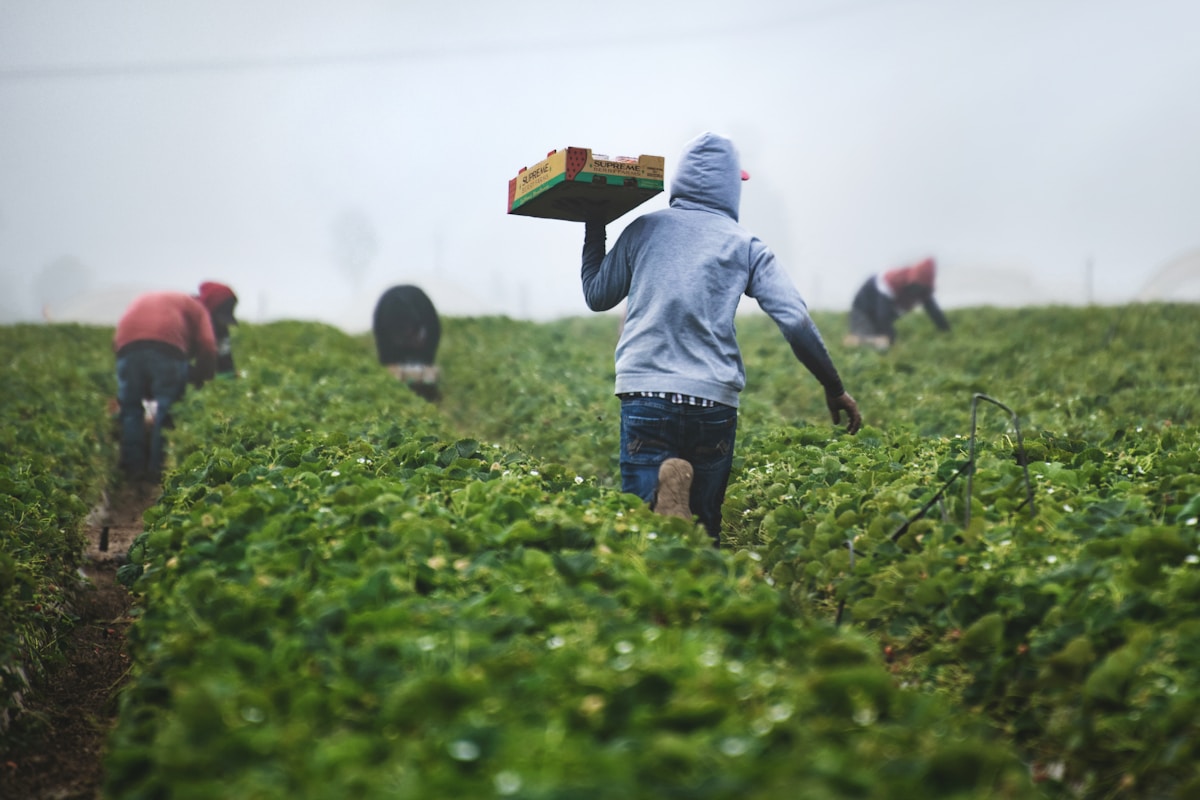
Start with vegetables that are forgiving and produce generously. The best beginner vegetables include lettuce and salad greens (ready in 30 days), radishes (harvest in 25 days), green beans (prolific producers), zucchini and summer squash (incredibly productive), cherry tomatoes (rewarding and delicious), cucumbers (fast growing and high yield), herbs like basil and parsley (easy and useful), and peppers (both sweet and hot varieties thrive in warm weather).
Avoid challenging crops like cauliflower, celery, and artichokes in your first year. These require precise conditions and experienced timing to succeed.
Step 5: Know Your Planting Dates
Timing is everything in vegetable gardening. Find your USDA hardiness zone and last frost date for your area. Cool-season crops like lettuce, peas, and spinach can be planted 2-4 weeks before the last frost. Warm-season crops like tomatoes, peppers, and squash should wait until 2 weeks after the last frost when soil temperatures reach at least 60°F.
Succession planting keeps your harvest going all season. Plant small batches of quick-growing crops like lettuce and radishes every 2-3 weeks throughout the growing season for a continuous supply.
Step 6: Watering Your Vegetable Garden
Vegetables generally need 1-2 inches of water per week, either from rainfall or irrigation. Water deeply and less frequently rather than shallow daily sprinkles. Deep watering encourages roots to grow down, making plants more drought-resistant and stable.
Water in the morning when possible. This allows foliage to dry before evening, reducing the risk of fungal diseases. Use soaker hoses or drip irrigation for the most efficient watering — they deliver water directly to the root zone with minimal evaporation.

Step 7: Mulching and Weed Control
Apply 2-3 inches of organic mulch around your plants after they’re established. Straw, shredded leaves, or grass clippings work great. Mulch suppresses weeds, retains moisture, regulates soil temperature, and adds organic matter as it decomposes.
Pull weeds when they’re small — it’s much easier and prevents them from competing with your vegetables for water and nutrients. Spend 10 minutes weeding every few days rather than letting weeds take over and facing a massive cleanup.
Step 8: Feeding Your Plants
Vegetables are heavy feeders and benefit from regular fertilization. A balanced organic fertilizer applied every 4-6 weeks keeps plants vigorous. Side-dress heavy feeders like tomatoes and corn with compost or a nitrogen-rich fertilizer once they start flowering.
Watch for signs of nutrient deficiency: yellowing lower leaves often indicate nitrogen deficiency, while purple-tinged leaves may suggest phosphorus deficiency. Addressing these early keeps your plants healthy and productive throughout the season.
Step 9: Managing Pests Naturally
Prevention is the best pest management strategy. Practice crop rotation, use companion planting (marigolds near tomatoes, basil near peppers), and encourage beneficial insects like ladybugs and lacewings. Hand-pick larger pests like caterpillars and beetles when you spot them.
If pest pressure gets heavy, use organic solutions like neem oil, insecticidal soap, or Bt (Bacillus thuringiensis) for caterpillars. Row covers can also protect crops from flying pests while allowing light and water through.
Step 10: Harvesting at the Right Time
Harvest vegetables at their peak for the best flavor and to encourage continued production. Pick zucchini when they’re 6-8 inches long, tomatoes when fully colored and slightly soft, and beans before the seeds bulge inside the pods. Most vegetables are best harvested in the morning when they’re crisp and hydrated.
Regular harvesting signals plants to produce more. A zucchini plant left unharvested will stop producing, while one picked regularly can yield dozens of fruits per season. The same applies to beans, cucumbers, and peppers.
Common Beginner Mistakes to Avoid
The most common mistakes new gardeners make include planting too much too soon (start small!), not preparing soil adequately, inconsistent watering, ignoring spacing requirements, and giving up after a setback. Every gardener loses plants — it’s part of the learning process. Each season teaches you something new about what works in your specific climate and soil conditions.
Related Gardening Guides
Ready to take your garden further? Check out our guides on growing tomatoes in pots, companion planting combinations, growing peppers, and starting a garden from scratch.
Your Vegetable Garden Journey Starts Now
Starting a vegetable garden from scratch is one of the most rewarding projects you can undertake. With proper planning, good soil, consistent care, and a willingness to learn, you’ll be harvesting fresh vegetables before you know it. Start small, grow what you love to eat, and expand each year as your confidence grows. Happy gardening!