


Growing peppers at home is one of the most satisfying gardening experiences. From sweet bell peppers to fiery habaneros, the pepper family offers incredible variety in flavor, heat, color, and shape. Whether you’re a spice enthusiast or prefer mild, sweet varieties, this guide will help you grow an abundant pepper harvest in your garden or containers.
Types of Peppers to Grow
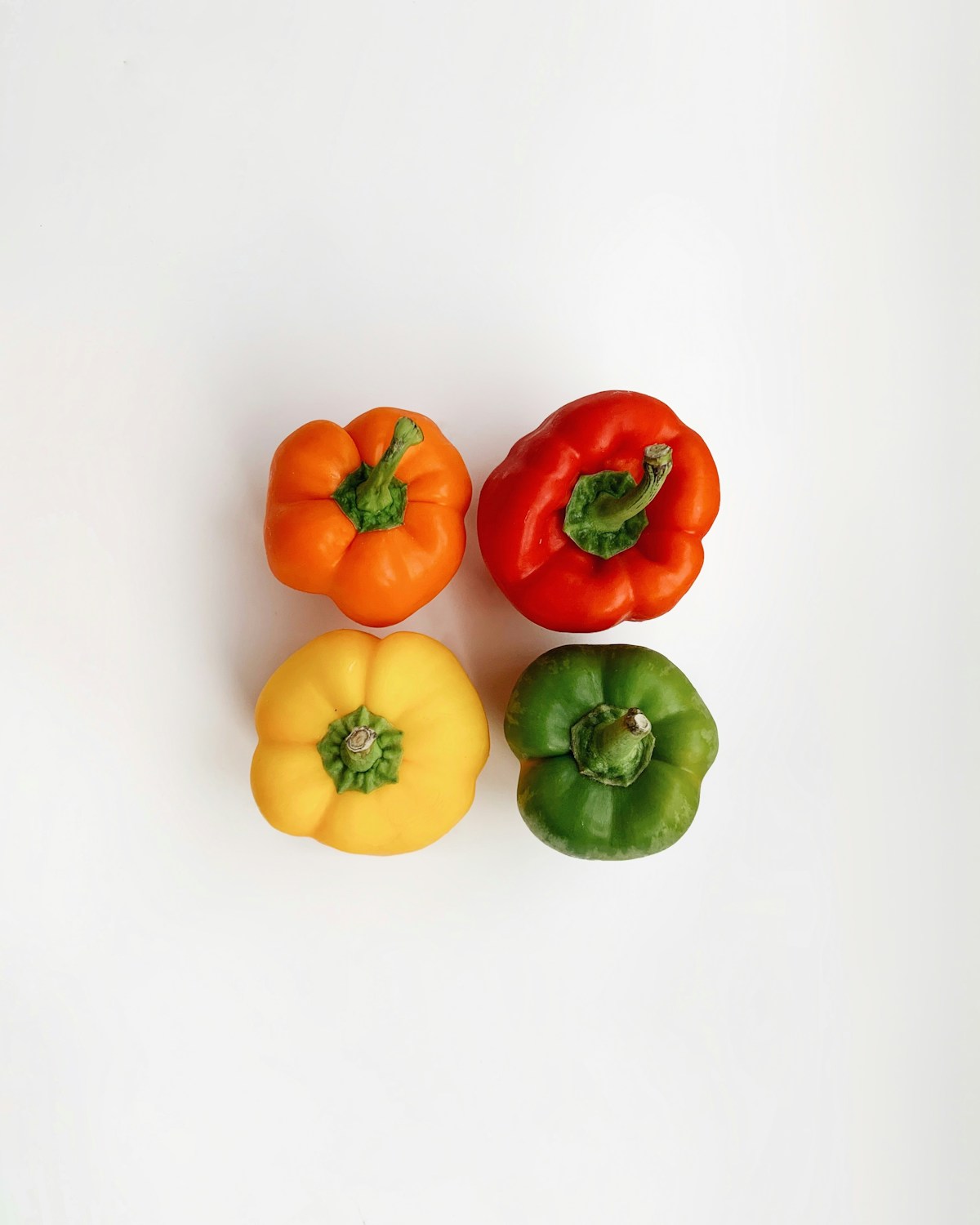
Peppers fall into two main categories: sweet and hot. Sweet peppers include bell peppers in red, yellow, orange, and green, as well as banana peppers, pimento, and sweet Italian frying peppers. Hot peppers range from mildly spicy jalapeños and poblanos to medium-heat serranos and cayennes, all the way to face-melting Carolina Reapers and ghost peppers.
For beginners, try bell peppers (California Wonder is a classic), jalapeños (Early Jalapeño produces quickly), banana peppers (sweet and prolific), and shishito peppers (mostly mild with occasional surprise heat). As you gain experience, experiment with specialty varieties like Hungarian Hot Wax, Thai chilies, or the beautiful purple and chocolate-colored ornamental peppers.
Starting Peppers from Seed
Peppers need a long, warm growing season, so starting seeds indoors is essential in most climates. Begin 8-10 weeks before your last expected frost date. Sow seeds a quarter inch deep in seed-starting mix and keep soil temperature between 75-85°F for optimal germination. A heat mat speeds germination significantly — without one, peppers can take 2-4 weeks to sprout.
Once seedlings emerge, provide strong light for 14-16 hours daily using grow lights positioned 2-4 inches above the plants. Thin to the strongest seedling per cell. Begin fertilizing with a diluted liquid fertilizer once seedlings develop their second set of true leaves. Harden off seedlings by gradually exposing them to outdoor conditions over 7-10 days before transplanting.
Transplanting Peppers Outdoors
Peppers are heat lovers — don’t rush them outdoors. Wait until nighttime temperatures consistently stay above 55°F and soil temperature reaches at least 65°F. Transplant on a cloudy day or in the evening to reduce transplant shock. Space plants 18-24 inches apart in rows 24-36 inches apart.
Dig holes slightly deeper than the seedling’s container. Unlike tomatoes, peppers don’t benefit much from deep planting. Add a handful of compost to each planting hole and water thoroughly. A dose of diluted fish emulsion at planting gives seedlings a nitrogen boost for rapid establishment.
Growing Peppers in Containers
Peppers are excellent container plants, especially compact varieties like jalapeños, Thai peppers, and mini bell peppers. Use pots at least 5 gallons (12-14 inches) in size with drainage holes. Fill with quality potting mix amended with perlite for drainage and compost for nutrition.
Container peppers need more attention than garden-grown plants. Water daily in hot weather — the limited soil volume dries quickly. Feed every 2 weeks with a balanced liquid fertilizer, switching to a phosphorus-rich formula once flowering begins. Place containers in the sunniest spot available, ideally 8+ hours of direct sun. Dark-colored containers absorb heat, keeping roots warmer — a bonus for heat-loving peppers.
Sunlight, Water, and Temperature
Peppers need full sun — a minimum of 6 hours, but 8-10 hours is ideal for maximum fruit production. They prefer consistent moisture, about 1-2 inches of water per week. Inconsistent watering causes blossom end rot, a frustrating condition where the bottom of the pepper turns dark and leathery. Mulch with 2-3 inches of straw or shredded leaves to maintain even soil moisture.
Temperature plays a crucial role in pepper production. Peppers grow best between 70-85°F during the day and 60-70°F at night. Above 90°F, many varieties drop their blossoms (blossom drop), temporarily halting fruit production. Below 55°F, growth stalls completely. If you experience extreme heat, provide afternoon shade with shade cloth or strategic companion planting.
Fertilizing for Maximum Yield
Peppers benefit from a two-phase feeding approach. During early growth, use a balanced fertilizer to promote strong stems and healthy foliage. Once flowers appear, switch to a fertilizer higher in phosphorus and potassium (like a 5-10-10) to boost flower and fruit production. Too much nitrogen during flowering produces lush plants with few peppers.
Calcium is especially important for preventing blossom end rot. A foliar spray of calcium chloride or crushed eggshells worked into the soil provides this essential mineral. Side-dress established plants with compost monthly for slow-release nutrition throughout the season.
Supporting Pepper Plants
As peppers load with fruit, branches can snap under the weight. Stake large varieties like bell peppers and Anaheim peppers at planting time, using a tomato cage or bamboo stake. Tie stems loosely to supports with soft garden twine. Small-fruited varieties like cayenne and Thai peppers usually support themselves but benefit from a small cage in windy areas.
Common Pepper Pests and Diseases
Aphids cluster on new growth and flower buds — blast them off with a strong spray of water or treat with insecticidal soap. Hornworms can defoliate plants quickly — hand-pick these large green caterpillars or let parasitic wasps control them naturally. Flea beetles create tiny shot-holes in leaves but rarely cause serious damage to established plants.
Bacterial leaf spot and anthracnose are the most common pepper diseases. Prevent them by rotating crops (don’t plant peppers where nightshades grew last year), watering at the base, and spacing plants for good air circulation. Copper fungicide provides preventive protection during humid periods.
Harvesting and Storing Peppers
You can harvest peppers at any stage, but they develop more flavor and nutrition as they ripen. Green bell peppers are simply unripe — left on the plant, they’ll turn red, yellow, or orange depending on variety, becoming sweeter in the process. Hot peppers generally intensify in heat as they mature and change color.
Cut peppers from the plant with pruning shears rather than pulling, which can damage branches. Fresh peppers store in the refrigerator for 1-2 weeks. For longer preservation, freeze whole peppers (they soften but retain flavor), dehydrate them for pepper flakes and powder, or pickle them for year-round enjoyment. Hot peppers can be dried and strung into decorative ristras that also preserve your harvest beautifully.
Understanding the Scoville Scale
The Scoville Heat Unit (SHU) scale measures pepper heat. Bell peppers rate 0 SHU, while the Carolina Reaper tops 2 million SHU. Understanding where different peppers fall helps you choose varieties that match your heat tolerance. Poblanos (1,000-2,000 SHU) offer mild warmth, jalapeños (2,500-8,000 SHU) provide moderate heat, habaneros (100,000-350,000 SHU) deliver serious fire, and superhots push beyond a million SHU — handle with gloves!
Growing a food garden? See our guides on growing tomatoes, strawberries, companion planting, and indoor herbs.
Start Growing Peppers This Season
Growing peppers rewards you with fresh flavors that no grocery store can match. The incredible variety — from sweet snacking peppers to blazing hot superhots — means there’s a pepper perfect for every palate. Start seeds indoors, give your plants plenty of warmth and sunshine, and get ready for the most flavorful harvest of your life.