


Vertical gardening is revolutionizing how people grow plants in small spaces. Whether you live in an apartment with just a balcony, have a tiny backyard, or simply want to maximize your growing area, vertical gardens let you grow up instead of out. From living walls and trellises to tower gardens and hanging planters, this guide shows you how to create stunning vertical gardens that are both productive and beautiful.

Why Go Vertical?
Vertical gardening offers remarkable advantages beyond just saving space. Growing plants vertically improves air circulation, reducing fungal diseases that plague ground-level gardens. Harvesting is easier — no more bending over to pick beans or cucumbers. Vertical gardens also create natural privacy screens, shade structures, and stunning visual focal points. Studies show that vertical green walls can reduce ambient temperature by up to 10°F, making them energy-efficient additions to homes and patios.
Best Plants for Vertical Gardens
Many plants naturally climb or trail, making them perfect for vertical growing. For edible vertical gardens, pole beans and peas are classic climbers that produce abundantly on trellises. Cucumbers thrive when grown vertically, producing straighter fruit with fewer pest issues. Small-fruited tomatoes like cherry and grape varieties perform beautifully on tall cages or string trellises. Squash and melons can be trained vertically with sling supports for heavy fruit. Strawberries cascade beautifully from vertical towers and hanging baskets.
For ornamental vertical gardens, consider pothos and philodendron (perfect for indoor living walls), ferns (ideal for shaded vertical spaces), succulents (excellent for outdoor living wall panels), climbing roses and clematis (stunning on arbors and pergolas), and jasmine and honeysuckle (fragrant climbers that attract pollinators). Herbs like thyme, oregano, and mint adapt well to pocket planters and wall-mounted containers.
DIY Trellis and Support Structures
Building your own vertical garden structures is straightforward and affordable. A simple A-frame trellis made from bamboo poles or wooden stakes costs under $20 and supports beans, peas, and cucumbers beautifully. Cattle panel trellises are incredibly sturdy and last for years — just attach a 16-foot cattle panel to T-posts for an instant growing wall.
String trellises are the simplest option: attach eye hooks to an overhead structure and run sturdy twine down to ground-level stakes. Plants naturally twine around the strings as they grow. For a more permanent solution, attach wire mesh or lattice panels to a fence or wall, leaving 3-4 inches of space behind for air circulation.

Pallet Gardens and Living Walls
Repurposed wooden pallets make excellent vertical planters. Stand a pallet upright, staple landscape fabric across the back and bottom, fill with potting mix, and plant through the slats. Pallets work beautifully for herbs, lettuce, strawberries, and small flowering plants. Mount them against a sunny fence or wall for an instant vertical herb garden.
Living wall systems range from simple felt pocket planters to sophisticated modular systems with built-in irrigation. Woolly pocket planters are affordable and easy to install — just hang them like picture frames and fill with soil and plants. For larger installations, modular panel systems from companies offer integrated watering and drainage, making maintenance much simpler.
Vertical Container Ideas
Stacking planters and tower gardens are perfect for patios and balconies. You can buy commercial stacking systems or create your own by nesting progressively smaller pots. Strawberry jars with side pockets work great for herbs, succulents, and — of course — strawberries. Hanging shoe organizers with clear pockets make surprisingly effective vertical planters for herbs and small greens.
Rain gutter planters mounted on fence posts or walls create sleek, modern vertical gardens perfect for salad greens and herbs. Space gutters 12-18 inches apart vertically, ensure drainage holes are drilled every 6 inches, and fill with lightweight potting mix. This system is ideal for growing lettuce, spinach, radishes, and herbs in extremely limited spaces.
Watering Vertical Gardens
The biggest challenge with vertical gardens is keeping plants consistently watered. Gravity pulls water downward, so upper plants often dry out while lower ones stay soggy. Drip irrigation with individual emitters at each planting pocket solves this perfectly. A simple timer ensures consistent watering even when you’re away.
For smaller vertical setups, water slowly from the top and allow it to trickle down through each level. Self-watering vertical planters with built-in reservoirs reduce maintenance significantly. Adding water-retaining crystals to your potting mix helps maintain moisture throughout the vertical structure.
Soil and Nutrition for Vertical Gardens
Use lightweight potting mix in vertical gardens — standard garden soil is too heavy and compacts in containers. A quality potting mix with perlite, vermiculite, and peat or coconut coir provides the perfect balance of drainage and moisture retention. Add slow-release fertilizer at planting time, then supplement with liquid fertilizer every 2 weeks during the growing season.
Vertical plants often have limited root space, so regular feeding is essential. Compost tea is an excellent organic option — it provides nutrients and beneficial microorganisms that strengthen plants. Fish emulsion and seaweed extract are also great liquid fertilizers for vertical gardens.
Indoor Vertical Gardens
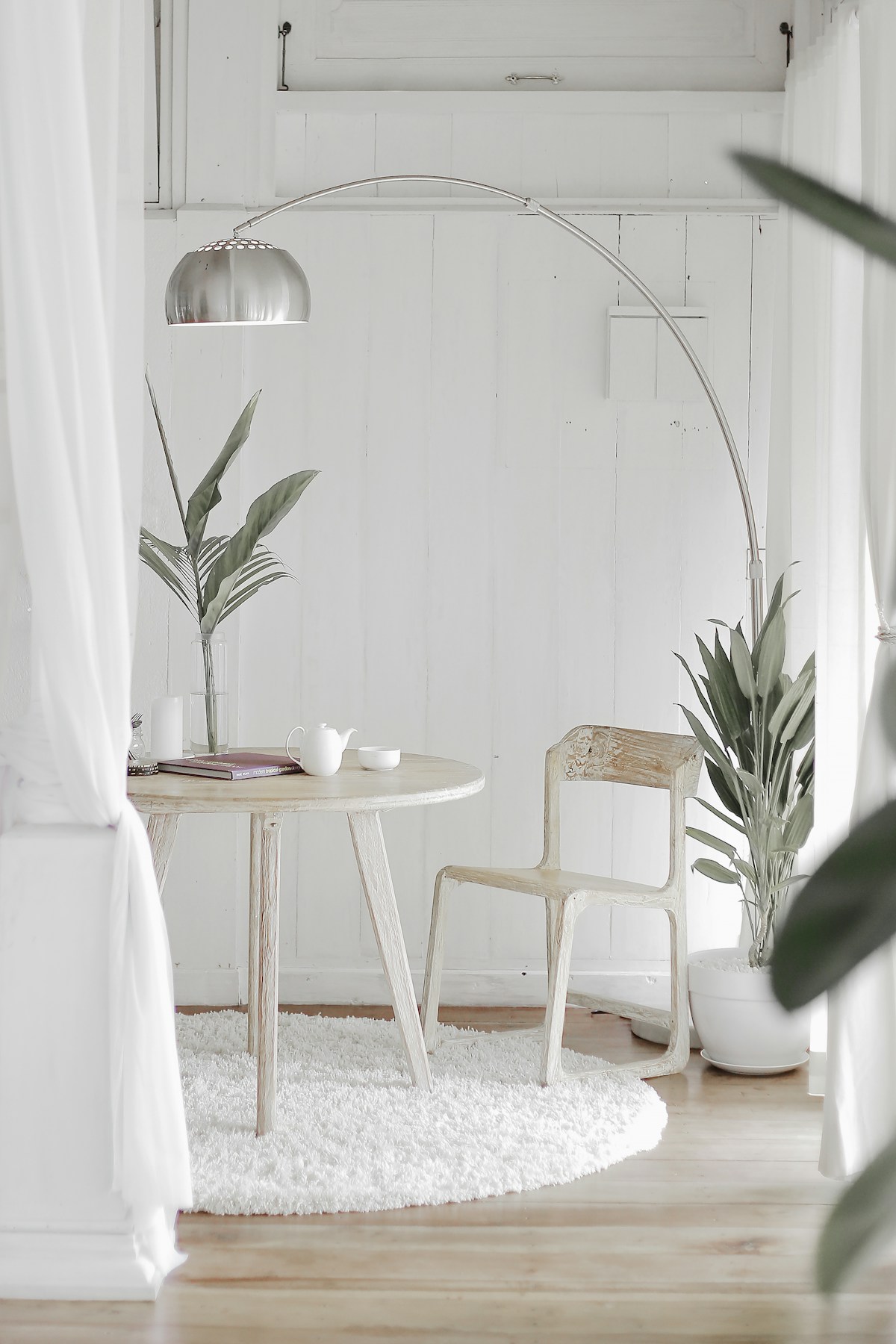
Vertical gardening works indoors too. A wall-mounted herb garden near your kitchen window provides fresh herbs year-round. Indoor living walls improve air quality, reduce noise, and add a stunning natural element to any room. Start with low-maintenance plants like pothos, spider plants, and peace lilies for an indoor vertical garden that practically takes care of itself.
If natural light is limited, add full-spectrum LED grow lights positioned 6-12 inches from plants. Many indoor vertical garden kits include integrated lighting. For edible indoor vertical gardens, lettuce, herbs, and microgreens are the most productive choices under artificial lighting.
Vertical Garden Design Tips
Create visual interest by mixing textures, colors, and plant sizes. Place cascading plants at the top where their trailing stems can drape downward. Use bold-colored plants like coleus or red lettuce as focal points. Group plants with similar water and light needs together on the same level of your vertical structure.
Consider weight when planning your vertical garden. A fully watered vertical wall can be extremely heavy. Ensure your support structure and wall mounting hardware can handle the load. For fence or wall-mounted gardens, use lag bolts into studs rather than drywall anchors.
Maximize your garden: container gardening ideas, tomatoes in pots, and growing strawberries.
Get Growing Vertically
Vertical gardening opens up possibilities that traditional gardening simply can’t match. Whether you start with a simple trellis for climbing beans or build an elaborate living wall, growing vertically lets you garden smarter, not harder. Start small, experiment with different plants and structures, and discover how much food and beauty you can grow in any space — no matter how small.