


Succulents have taken the plant world by storm, and for good reason. These water-storing beauties are some of the easiest plants to grow, making them perfect for beginners and busy plant lovers alike. Whether you’re growing them indoors on a windowsill or outdoors in a rock garden, this guide covers everything you need to know about succulent care.
What Makes Succulents Special?
Succulents are plants that store water in their leaves, stems, or roots, allowing them to survive in arid conditions. This adaptation makes them incredibly low-maintenance compared to most houseplants. The word “succulent” comes from the Latin “sucus,” meaning juice or sap — referring to their thick, fleshy tissues.
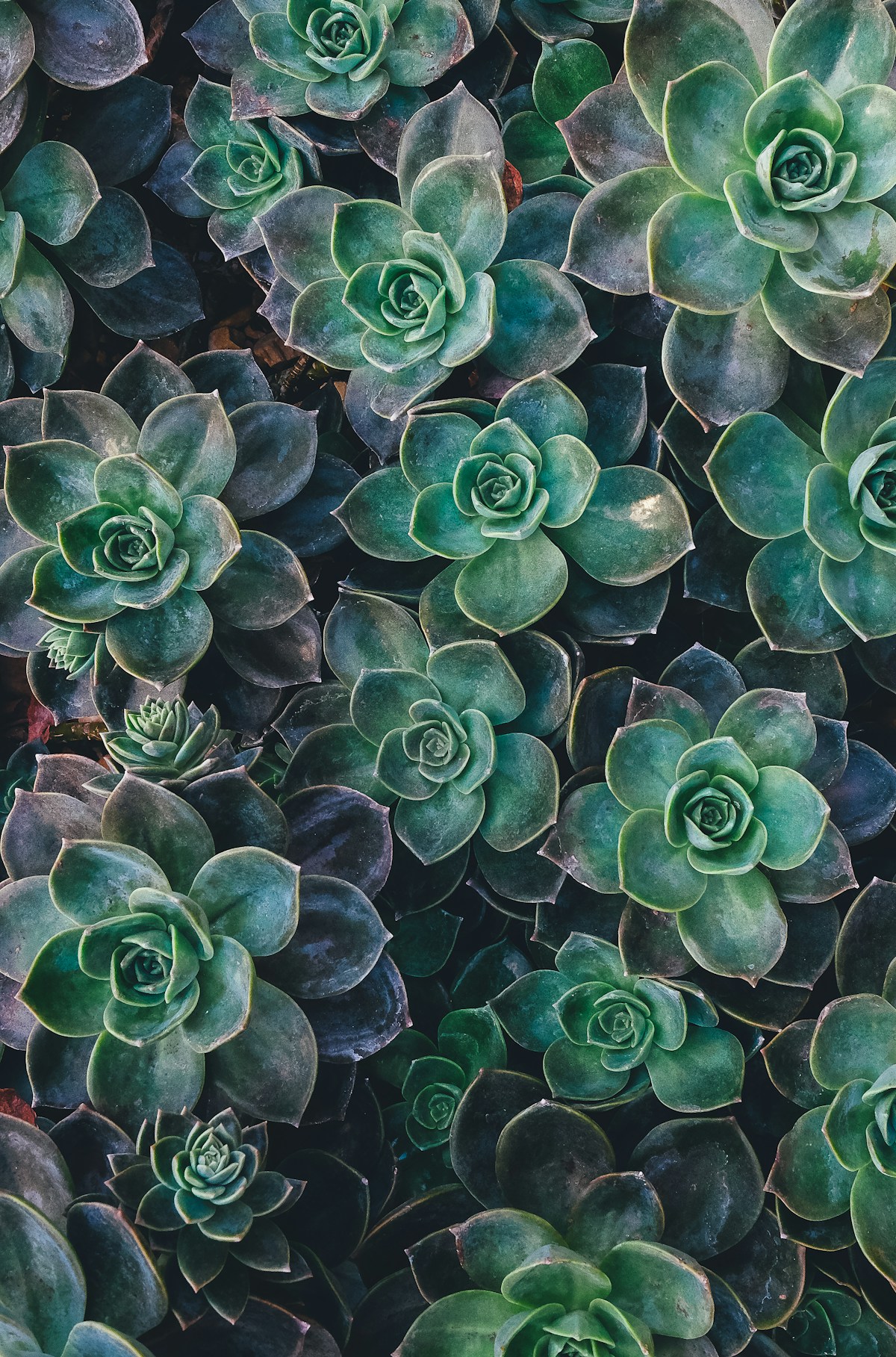
There are over 10,000 species of succulents spanning more than 60 plant families. From the rosette-forming Echeveria to the trailing String of Pearls, there’s a succulent for every taste and growing condition.
Best Succulents for Beginners
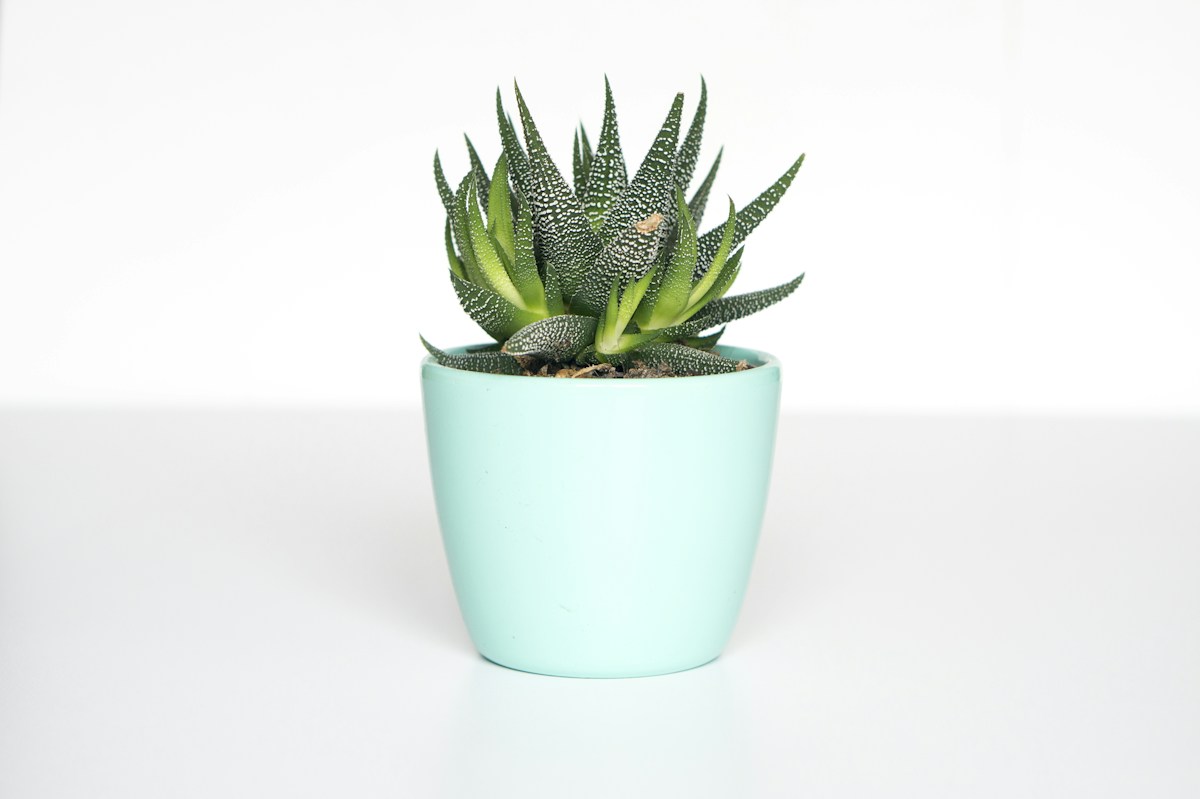
If you’re new to succulents, start with these forgiving varieties. Echeveria forms beautiful rosettes in shades of green, pink, and purple and tolerates some neglect. Jade Plant (Crassula ovata) is a classic that can live for decades and develops a tree-like trunk over time. Aloe Vera is both decorative and medicinal, thriving in bright indirect light. Haworthia is perfect for lower light conditions with its striking striped patterns. Sedum (Stonecrop) is incredibly hardy and works beautifully in rock gardens and green roofs. Snake Plant (Sansevieria) tolerates low light and irregular watering like a champion.
Light Requirements for Succulents
Most succulents thrive in bright, indirect light for at least 6 hours daily. A south-facing or east-facing window is ideal for indoor growing. Signs your succulent needs more light include stretching or etiolation (growing tall and leggy), fading colors, and leaves spacing out along the stem.
However, too much direct sun can scorch succulents, especially when they’re not acclimated. If moving plants to brighter conditions, do so gradually over 1-2 weeks. Some varieties like Haworthia and Gasteria actually prefer partial shade and can burn in direct afternoon sun.
The Golden Rule of Watering Succulents
Overwatering is the number one killer of succulents. The golden rule is simple: soak and dry. Water thoroughly until it drains from the bottom, then wait until the soil is completely dry before watering again. In summer, this might mean watering every 7-10 days. In winter, once a month or even less is usually sufficient.
To test if your succulent needs water, stick your finger an inch into the soil. If it’s dry, water deeply. If it’s still moist, wait a few more days. Signs of overwatering include mushy, translucent, or yellowing leaves. Underwatered succulents show wrinkled, shriveled leaves that feel thin and papery.
Choosing the Right Soil
Succulents need fast-draining soil to prevent root rot. A commercial cactus and succulent mix works well, or make your own by combining regular potting soil with perlite or coarse sand in a 1:1 ratio. The goal is a mix that holds just enough moisture to hydrate roots without staying soggy.
Avoid garden soil, which is too dense and retains too much moisture. Adding pumice, crushed granite, or turface to your mix further improves drainage and aeration. A handful of horticultural charcoal also helps absorb excess moisture and prevents soil from becoming stagnant.
Containers and Drainage
Always use pots with drainage holes — this is non-negotiable for succulent health. Terracotta pots are excellent because they’re porous and allow excess moisture to evaporate through the walls. Ceramic, plastic, and concrete pots all work as long as they have adequate drainage.
Choose a pot that’s only slightly larger than your plant — about 1-2 inches bigger in diameter than the root ball. Oversized pots hold too much moisture and increase the risk of root rot. Shallow, wide containers work better than deep, narrow ones for most succulent arrangements.
Propagating Succulents
One of the most exciting aspects of growing succulents is how easy they are to propagate. Most succulents can be multiplied through leaf cuttings, stem cuttings, or offsets (pups). Simply twist a healthy leaf gently from the stem, let it callous for 2-3 days, then place it on top of moist soil. In a few weeks, tiny roots and a baby plant will emerge.
For stem cuttings, use a clean, sharp knife to cut a section of stem, let it dry for a few days, then plant it in well-draining soil. Offsets can be separated from the mother plant and potted individually once they’ve developed their own root system.

Common Succulent Problems and Solutions
Stretching or etiolation happens when succulents don’t get enough light. Move them to a brighter spot and trim the stretched growth to encourage compact new growth. Dropping leaves can indicate overwatering, underwatering, or temperature stress — check soil moisture and environmental conditions to determine the cause.
Mealybugs and scale are the most common succulent pests. They appear as white cottony masses or brown bumps on leaves and stems. Treat with rubbing alcohol applied with a cotton swab, or spray with neem oil solution. Fungal issues usually result from excess moisture — improve air circulation and reduce watering frequency.
Outdoor Succulent Gardening
Many succulents thrive outdoors in USDA zones 9-11, and hardy varieties like Sempervivum (Hens and Chicks) and certain Sedum species survive in zones as cold as 3-4. Outdoor succulents make stunning rock gardens, border plantings, and ground covers. They’re also drought-tolerant, making them perfect for xeriscaping and water-wise landscapes.
When planting outdoors, amend heavy clay soil with gravel and sand to improve drainage. Raised beds and mounded plantings help keep roots drier. Mulch with small gravel rather than organic mulch, which retains too much moisture around the crown of the plant.
Seasonal Succulent Care
Most succulents have active growing seasons (spring and fall) and dormant periods (summer and winter, depending on species). During active growth, water more frequently and apply a diluted succulent fertilizer monthly. During dormancy, reduce watering significantly and stop fertilizing entirely.
Protect outdoor succulents from frost by bringing them indoors or covering them with frost cloth. Indoor succulents benefit from increased humidity during dry winter months — a pebble tray with water underneath the pot helps without wetting the soil.
Looking for more easy plants? See our guide to low-maintenance plants for busy people, fixing yellow leaves, and growing herbs indoors.
Start Your Succulent Collection Today
Succulents are the perfect entry point into the world of plants. Their low maintenance needs, stunning variety, and easy propagation make them addictively collectible. Start with a few beginner-friendly varieties, master the basics of light and watering, and you’ll soon find yourself with a thriving collection that brings beauty and joy to your space.