

Introduction
Deer can demolish a garden in a single night. Effective deer-proofing requires a multi-layered approach of fencing, repellents, and plant selection.
Identification
Deer damage appears as torn, ragged edges on leaves and stems. They eat from the top down and leave hoof prints in soft soil.
Early identification is crucial for effective control. Inspect your plants regularly, checking both upper and lower leaf surfaces.
Damage Signs
Look for chewed leaves, holes, discoloration, wilting, sticky residue (honeydew), and frass (insect droppings).
- Check plants in early morning when many pests are most active
- Look under leaves where eggs and larvae often hide
- Monitor new growth which pests target first
- Use yellow sticky traps to identify flying pest populations
Control Methods
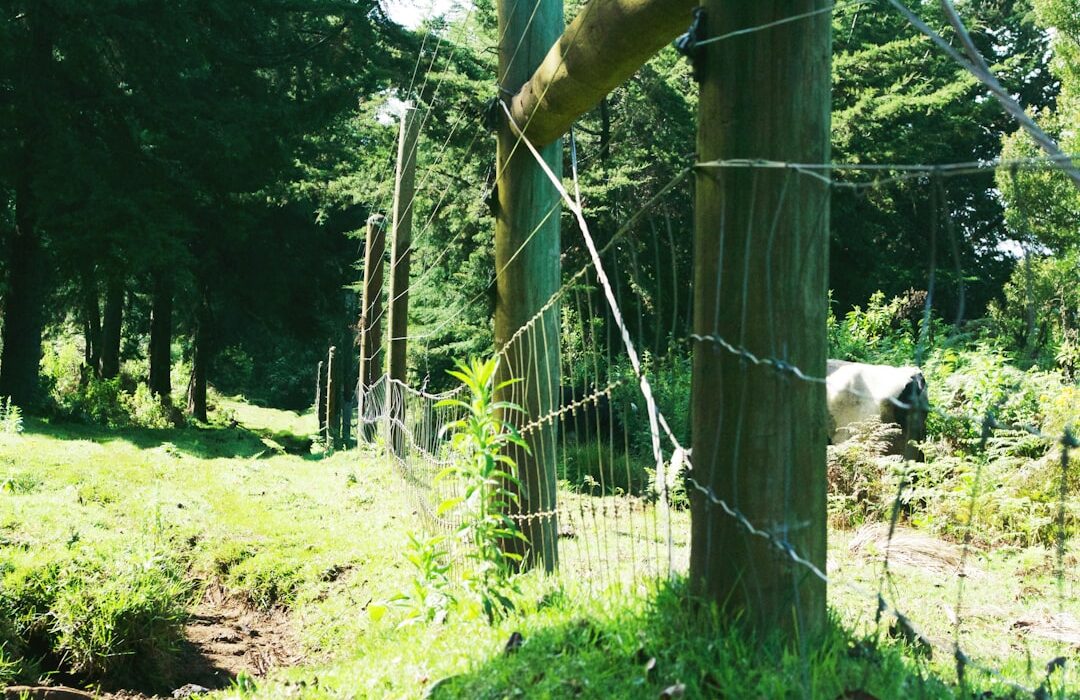
Eight-foot fences are the gold standard. For smaller budgets, double-fence systems, motion-activated sprinklers, and strongly scented repellents help.
Pro Tip: Always try the least toxic control method first. Hand-picking, water sprays, and barrier methods solve most pest problems without chemicals.
Prevention Strategies
Healthy plants resist pests better than stressed ones. Focus on proper watering, soil health, and plant nutrition.
Encourage beneficial insects by planting flowers like yarrow, dill, and sweet alyssum that attract predatory wasps and ladybugs.
Key Takeaway: Prevention is always easier than treatment. Build a diverse garden ecosystem and most pest problems will solve themselves.
Frequently Asked Questions
How do I identify deer-proofing your garden?
Look for physical signs like chewed leaves, holes, discoloration, and actual insects on plants. Check in early morning when pests are most visible.
Should I use chemical pesticides?
Start with organic and mechanical controls first. Chemical pesticides should be a last resort as they also kill beneficial insects.
How can I prevent pest problems?
Maintain healthy soil, encourage beneficial insects, rotate crops, and inspect plants regularly. Catching problems early is key.